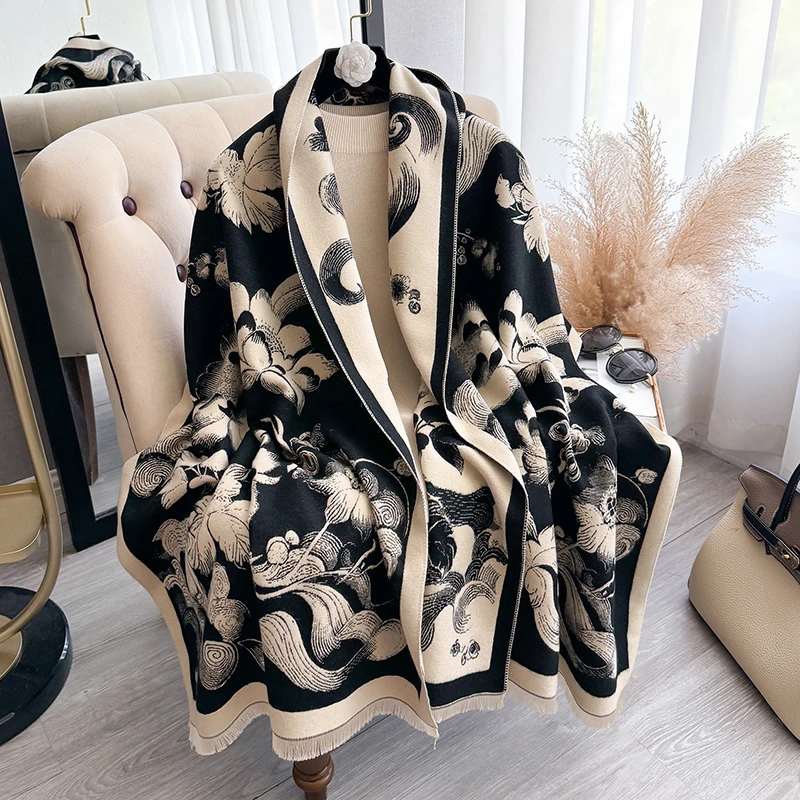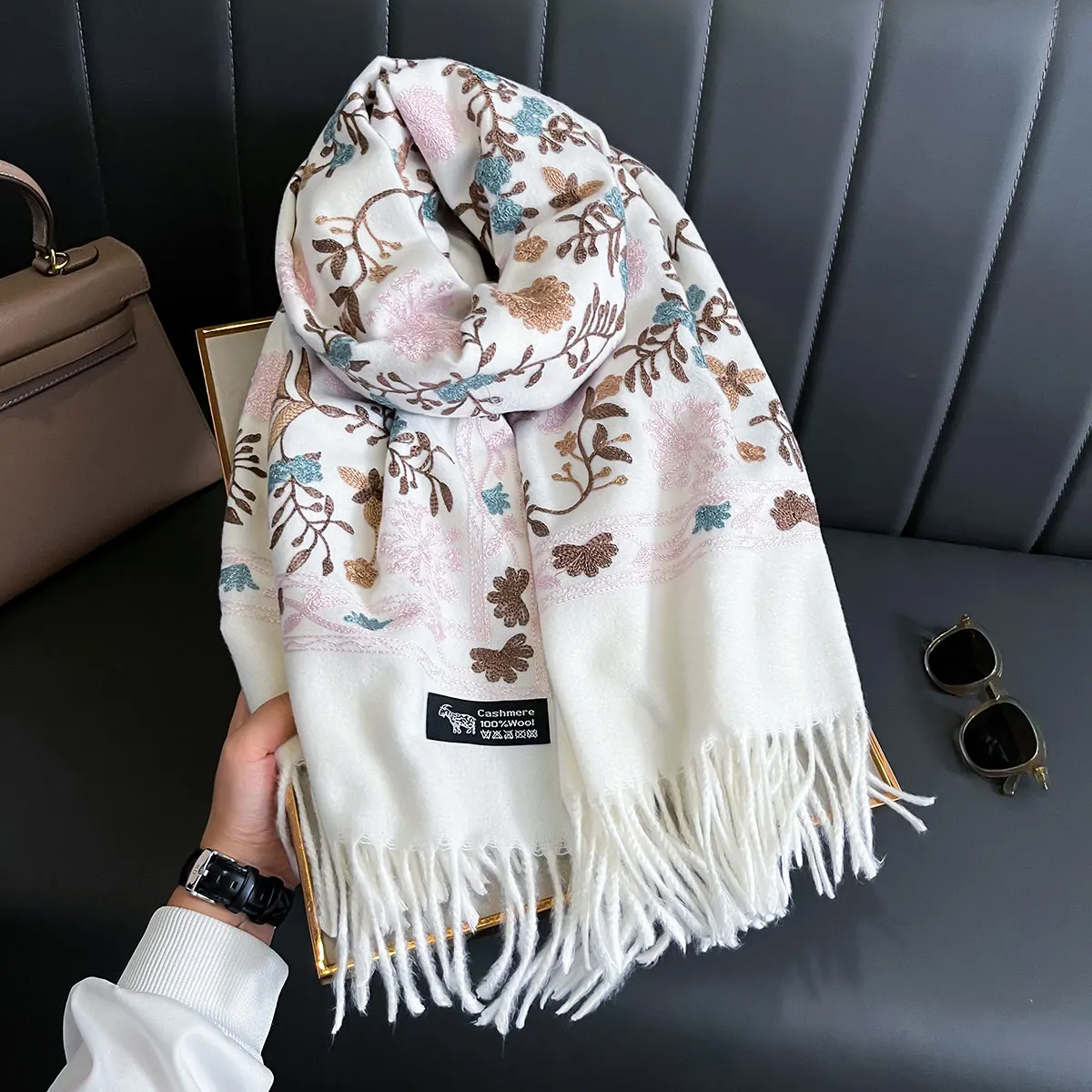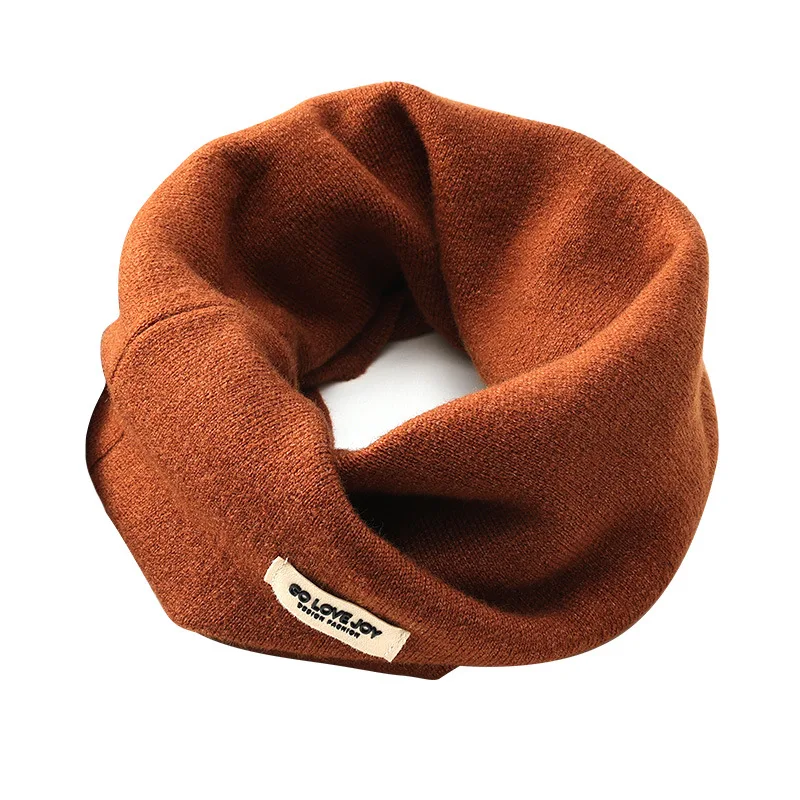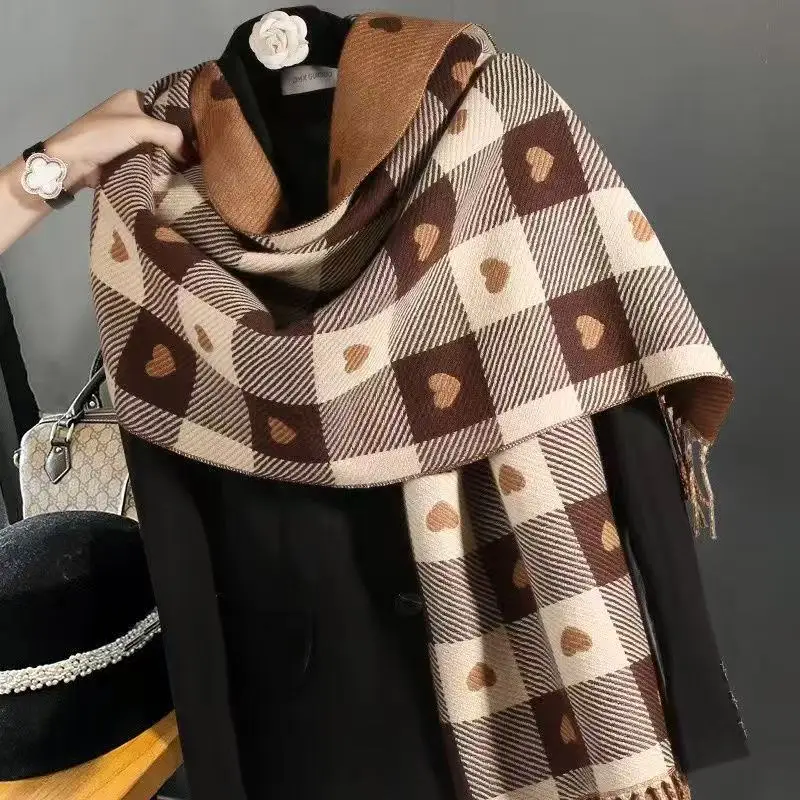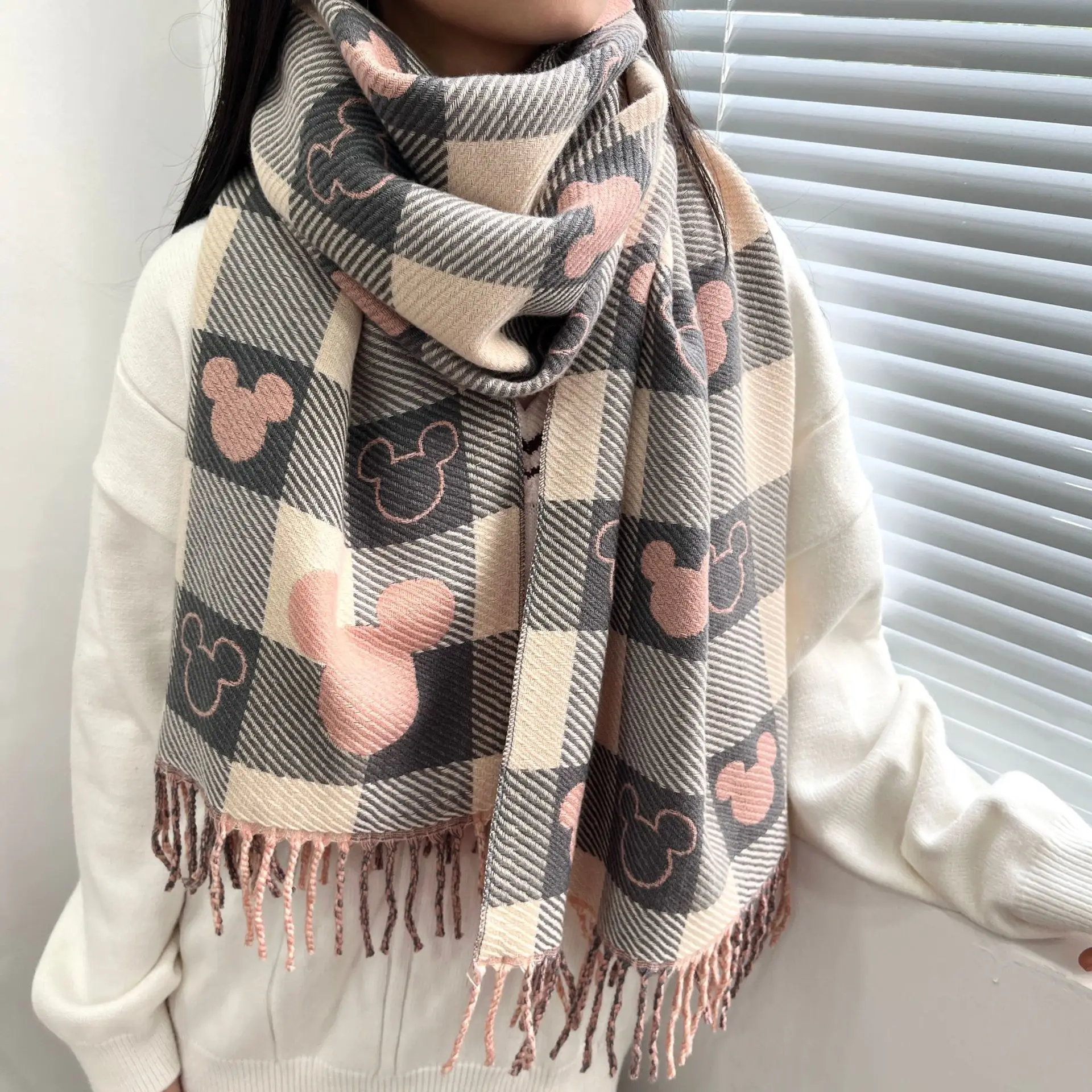

Collectively, fashion design principles explain the way in which line, color, texture, silhouette, and space come together inside one piece of clothing. In practice, none of these elements is ever created in isolation. Fashion designers think in terms of systems, where one element influences another and cohesion is achieved through careful coordination rather than coincidence.
Line as Directional Movement
A line is often used as the initial framework or structure. Seams, panels, and directional cuts create movement across the body of the garment. When fashion designers create their initial plan or concept, they consider how line can be used as a tool to establish proportion and balance.
Within fashion design principles, working together, line becomes the structure that holds everything in place.
A vertical seam may make an item appear longer than it is, but its effect will always depend on the silhouette and the texture of the fabric used. Line functions as an initiator rather than a resolver.
Silhouette as Cultural Form
Silhouette is the outer boundary of the garment and determines the space occupied by the body, along with its social connotations. In practice, silhouette and line direction are often explored simultaneously to create visual harmony. The interplay between silhouette and line is central to fashion design principles, working together.
A full silhouette requires very different color placement than one that is narrow and sleek. Each silhouette creates new constraints and new opportunities.
Color as Emotional Dimension
Color is used as a tool to create mood and visual weight. Designers consider how color responds to silhouette and texture. It may emphasize line and structure or allow structure and detail to dominate, depending on intensity and saturation.
Within fashion design principles, working together, color is not decoration. It is calibration.
These decisions are made in conjunction with fabric selection so that material and palette operate as one.
Texture as Depth and Hierarchy
Texture affects how light behaves in relation to the garment. Matte and shiny surfaces influence depth and dimension in different ways. In professional practice, texture is evaluated in relation to line and shape. The unification of texture reflects the strength of fashion design principles working together.
Delicate fabrics can soften hard edges, while structured fabrics can accentuate architectural shapes.
Space as Movement Strategy
Space, the distance between body and fabric, is crucial in terms of comfort and movement. Professionals calculate this space while considering silhouette volume and fabric texture. When fashion design principles are working together, space mediates between structure and wearability.
There must be enough space for movement, but not so much that proportions are disrupted.
Process, Not Formula
What distinguishes professional practice is not simply the existence of the pillars, but their integration. Designers sketch, test, adjust, and re-evaluate until all elements align.
Fashion design principles working together are ultimately about negotiation.
The result is a garment in which no element dominates. The five pillars function as a unified visual language, expressing both technical precision and aesthetic intention.