
A brief overview
Silhouette evolution in fashion is the process by which the silhouette of the body in dress has evolved over time. The silhouette of a dress is never arbitrary. It always speaks to how we think about bodies, identity, movement, and visibility in public spaces.
Structure, Status, and Social Order
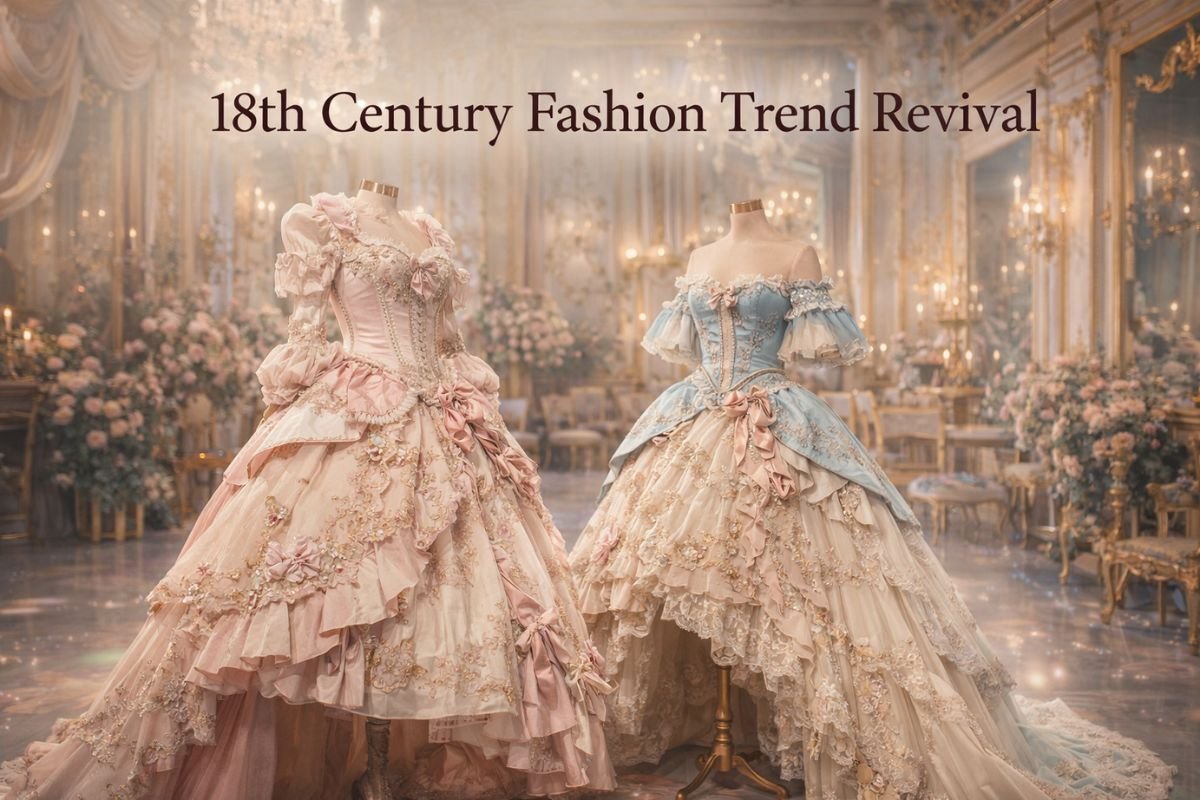
In many eras, silhouette has been closely related to social hierarchy. Structured dresses, corsets, and skirts that flare out from the hips speak to control over one’s body, aligning it with traditional notions of propriety and restraint. The silhouette of the dress has been closely aligned with notions of social order. Through silhouette evolution in fashion, we can see how dress has been closely aligned with societal notions of propriety.
The body has been structured rather than freed in dress. It has been framed rather than freed.
Modernity, Movement, and Independence
As modernity took hold, silhouette evolution in fashion changed. Dresses became more streamlined, structured dresses became less prevalent, and dresses became simpler in shape. The silhouette of the dress has been closely aligned with modernity and independence. Through silhouette evolution in fashion, we can see that the dress has been closely aligned with societal notions of independence, particularly in how form responds to the directional structure of line within a garment.
The natural silhouette of the body has been emphasized in dress, signaling societal attitudes toward independence.
Volume, Experimentation, and Expression
The latter decades also saw an exploration of proportion. Oversized garments, sculptural construction, and varied lengths all contributed to a break with earlier ideals. Designers began to challenge the expectation that the body must follow a fixed outline, instead allowing garments to create new spatial relationships between fabric and form. Proportion became a site of experimentation, with volume used to alter the perception of scale and presence.
This shift marked a move away from strict alignment between garment and body. Silhouette became less about containment and more about expression. The evolution of silhouette in fashion during these decades reflected cultural shifts toward individuality and visual experimentation, where dress no longer simply framed the body but interacted with space around it.
Cultural Context and Collective Memory
Silhouette is also shaped by memory. Each form often recalls a specific era, making the visual inherently reflective. When a designer selects a certain silhouette, it’s not just a stylistic choice; it’s a reference to the past. This interplay of memory and form is central to how silhouettes evolve, anchoring one of the fundamental pillars of fashion design.
Shape as Social Language
The silhouette of a garment is a form of social commentary. It reflects attitudes, and attitudes can be communicated without words. Shape can be used to convey a sense of authority, ease, and freedom.