
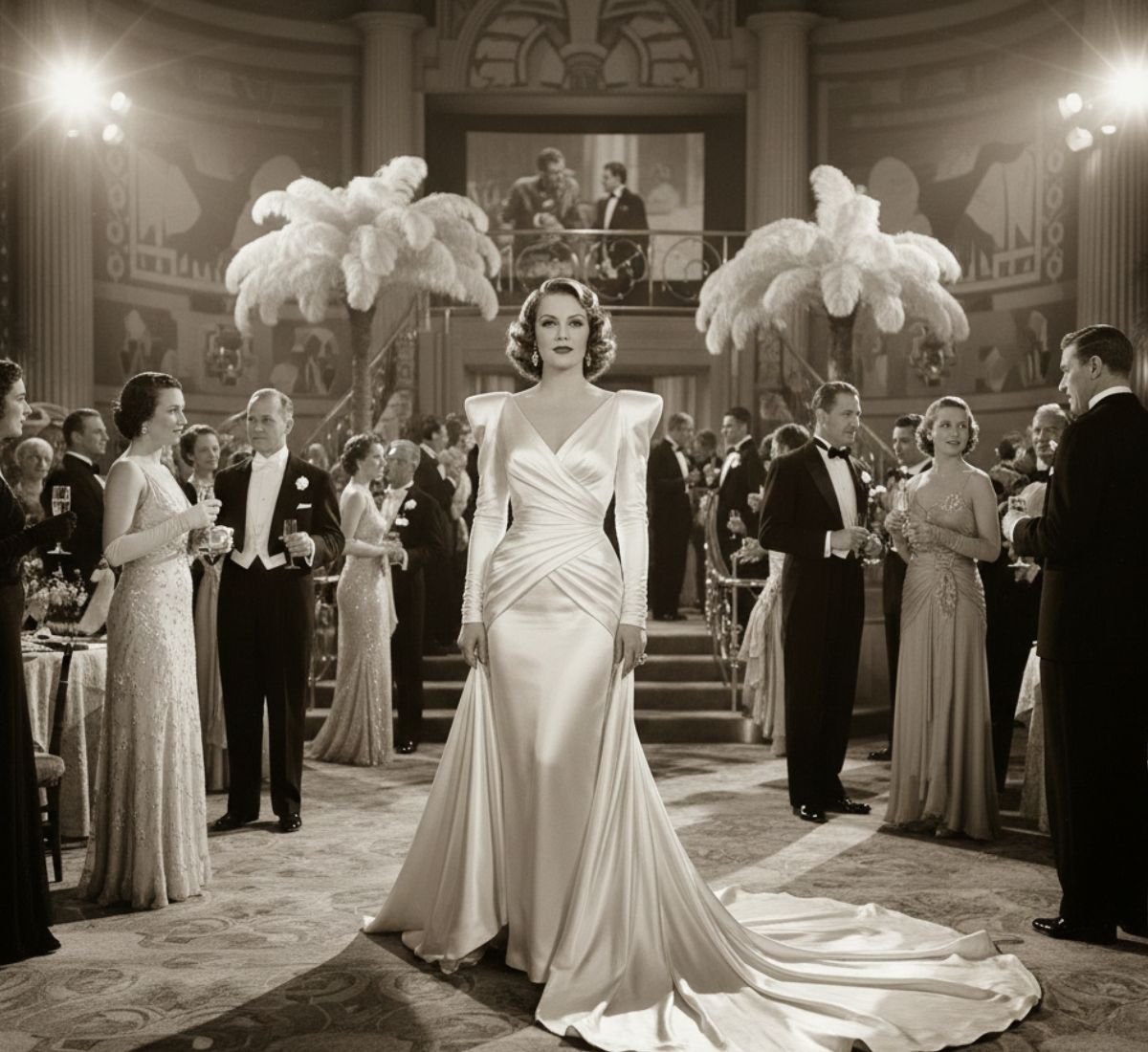
Hollywood glamour of the 1930s was more than a cinematic image. It was a glamour that altered the dressing, dreams, and perceptions of Americans in terms of beauty. During the Golden Age of cinema, movie stars were larger-than-life, and their wardrobe was as important as their performances. Among the brightest stars was none other than Joan Crawford.
During the early 1930s, Hollywood realized that it was able to affect more than simply entertainment. What was reflected on the screen was not only the actors, but their costumes as well, down to the smallest design element, and movie costumes translated into designs for fashion. Among the stars who established a fashion trend was none other than Joan Crawford, with her powerful personality and sharp beauty.
View this post on Instagram
Crawford spent a lot of time working with the costume designer Gilbert Adrian, who was the creative designer of MGM, with the knowledge of how well a dress would reflect the attitude of the roles she played. She was one of Hollywood’s most iconic partnerships, with drama, femininity, and modernity combined in a uniquely ‘1930s’ way.
The Letty Lynton Gown: A Dress That Captured a Nation
One of the defining moments of Hollywood glamour in the 1930s came with the film Letty Lynton (1932). In it, Joan Crawford wore a white organdie gown designed by Adrian, featuring a sharply cinched waist, a flowing full skirt, and dramatic layered puff sleeves. The look stood out precisely because it went against the decade’s preference for slimmer, more streamlined silhouettes.
Such was the frenzy over this dress that many American department stores began manufacturing thousands of replicas. Women lined up in their thousands to own their own copy, proving that a single dress in a single movie had the ability to spark off a national craze. Although the movie could no longer be shown, the dress remained as one of the most imitated dresses in Hollywood.
Adrian’s Creative Vision & Hollywood Influence
Gilbert Adrian knew that film had the ability to manipulate desire. He incorporated showy volume with tailoring that produced figures that appeared strong on film. Adrian’s designs were beloved on screen, as were they behind the lens. Puffy shoulders, vast silhouettes, and extreme shoulders were soon signatures of glamour in Hollywood’s crop of the 1930s, thanks largely to Adrian’s designs for Crawford, Garbo, and Norma Shearer.
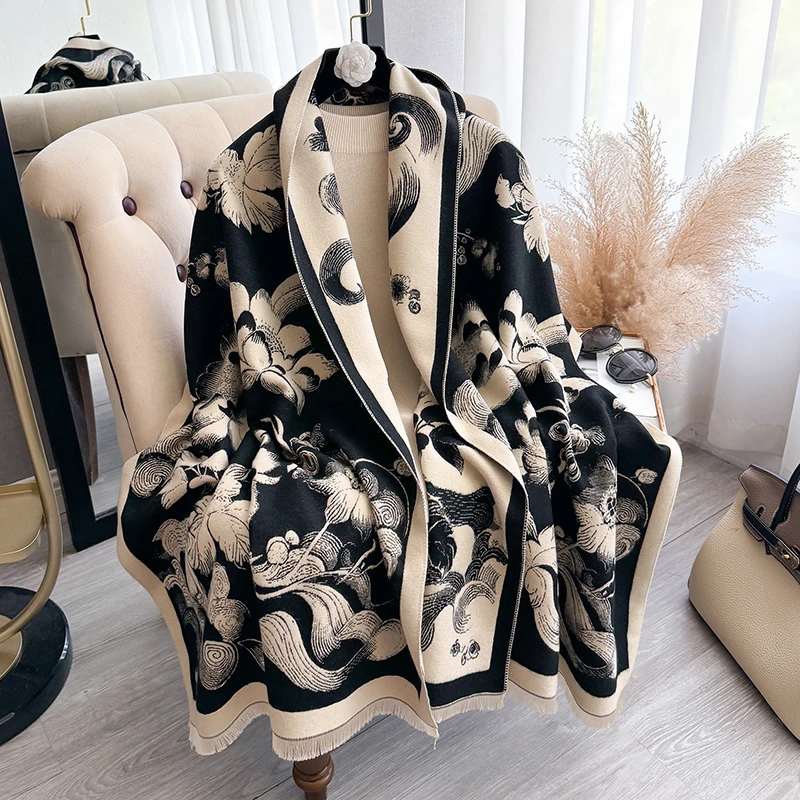
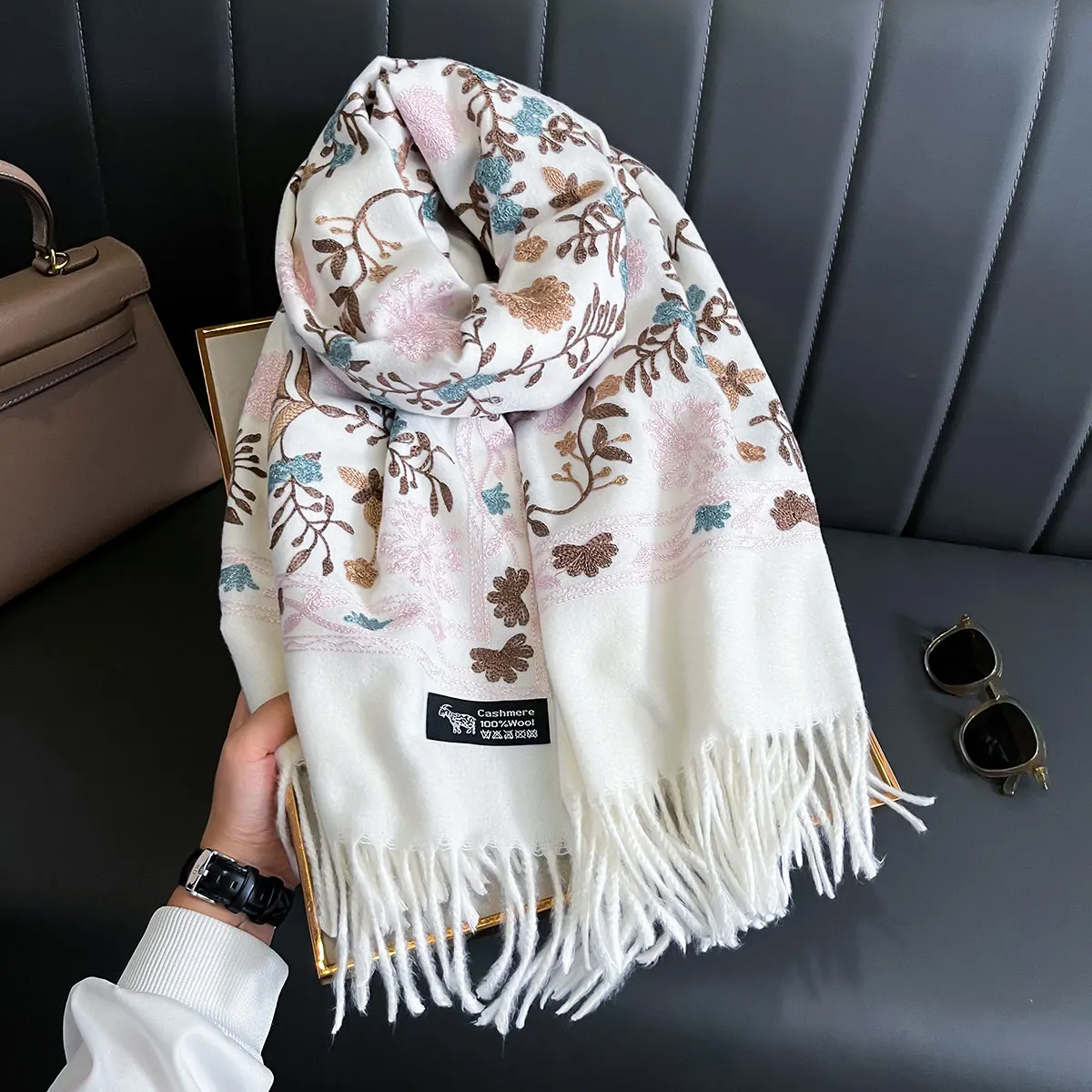
For readers who love to turn inspiration into outfits, explore our full fashion range!
This period also marked a transformation for those discovering fashion. Film theaters became a ground for education in fashion. Women were glued to the movies, imitating hairstyles, skirts, and other accessories. Fashion literature even dubbed Hollywood “America’s greatest designer.”
You May Also Like:
Why Hollywood Glamour of the 1930s Remains
But the legacy of Hollywood’s glamour of the 1930s is more than mere nostalgia, as it still inspires designers as well as filmmakers today. Large sleeves, defined waist, and full dresses appear in contemporary designs, echoing designs that Adrian recreated some ninety years ago.
More significantly, this marked the establishment of a crucial paradigm in fashion studies, whereby costumes in film exert a cultural influence. This transition was marked, of course, by the iconic dress designed for Joan Crawford in “Letty Lynton,” which is still a reminder today that a single image on the screen can change the course of a whole generation’s fashion.