
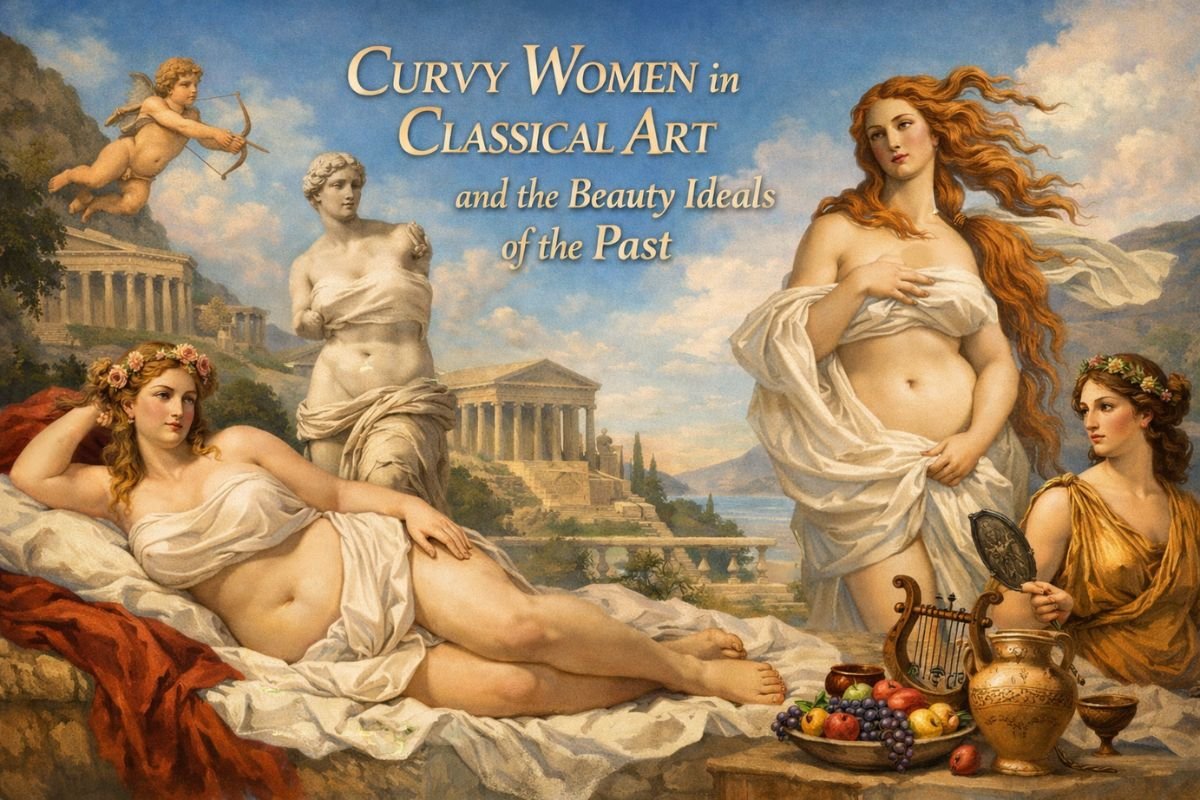
The appearance of curvy women in classical art helps to illustrate the ideals of beauty and the way in which the female body has been considered throughout history. Contrary to the ideals of the present day, which emphasize the need to be thin and fit, the classical artists of Europe depicted the female body in a much more favorable light.
In many of the classical paintings, the female body has not been depicted as something that must be corrected or altered in any way. Instead, the female body has been celebrated and depicted in such a way that the curves of the body are often the main point of the painting.
Curvy Women in Classical Art During the Renaissance and Baroque Periods
One of the most famous artists whose work included the appearance of curvy women in classical art is the Flemish artist Peter Paul Rubens, whose work appeared in the early seventeenth century and depicted women with soft curves, rounded bellies, and full hips.
One of the most famous paintings done by Rubens is the painting of the Three Graces, which features three women standing together, their bodies highlighted with the natural light and colors of the sun. Unlike the ideal female body of the present day, the female body in the painting of the Three Graces is depicted as full and soft.
View this post on Instagram
The painting of the Three Graces has been painted with the intent of capturing the female body, which in the context of the time, was considered to be the ideal because of the fullness and vitality that the female body represented. Because of the influence of the work done by Rubens, the term “Rubenesque” has been included in the cultural lexicon and refers to the female body, which is fuller.
How Classical Painters Framed the Female Body
This is because artists during the Renaissance and Baroque era considered beauty as a concept of balance and harmony rather than proportion and measurement. The artists studied human anatomy, and they also considered symbolism.
For example, in many classical art pieces, there is often an underlying theme of beauty and abundance with regard to women. This is because being curvy was often associated with beauty and being full was often associated with abundance. In many cultures, there was often a lack of food, and therefore being full was often considered to be a symbol of wealth.
The Evolution of Beauty Standards
Considering the presence of curvy women in classical art also shows us how beauty standards have changed over time. For example, it is interesting to note that the presence of curvy women in Renaissance and Baroque art is quite different from the beauty standards and ideals presented in twentieth-century fashion.
Considering art history, it is interesting to note that beauty standards have never remained constant. Considering the classical art pieces that are still present in museums today, we can see how beauty standards have never remained constant.
What Art History Reveals About the Body
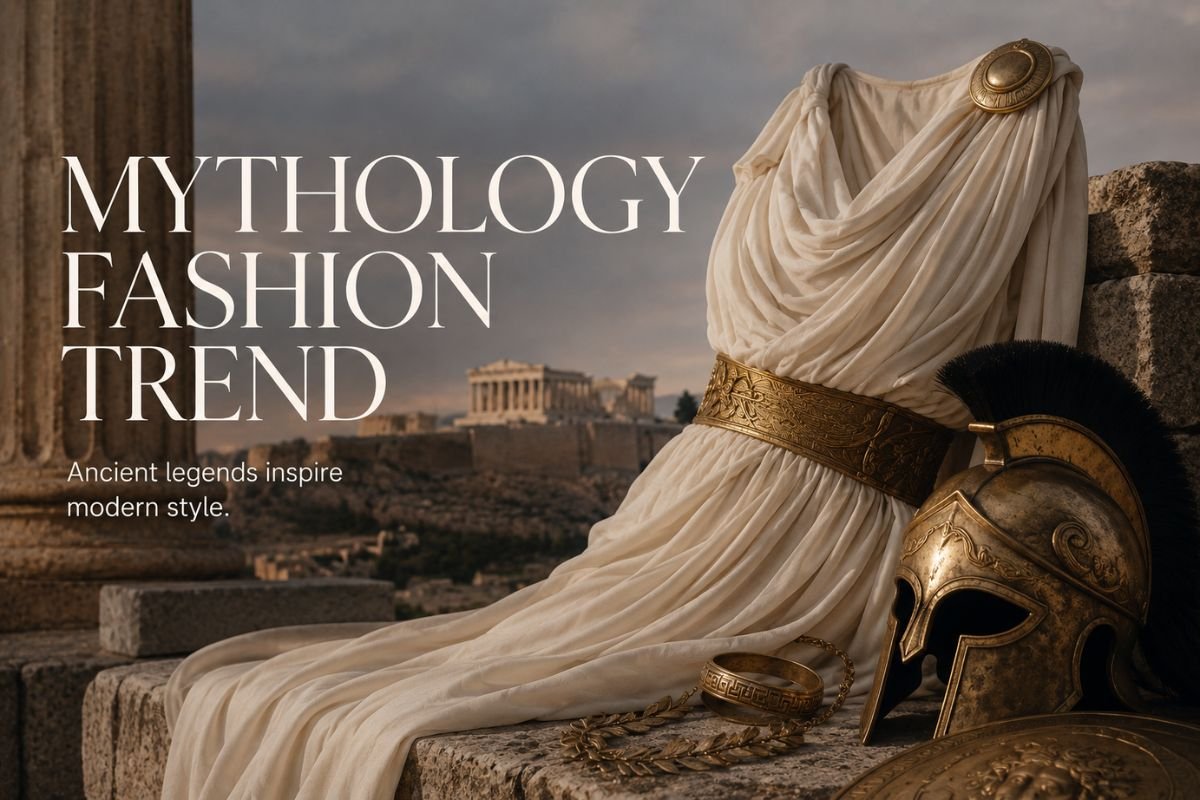
Considering the presence of curvy women in classical art pieces, it is interesting to note that we are seeing more than just beauty and style here. We are seeing art history and how artists have considered and interpreted beauty and the human form, themes that also remain central to the Mythology Fashion Trend.
This is evident from the canvases preserved in galleries across Europe. The history of beauty is much more diverse than it is made out to be in modern times. The concept of the body has undergone many changes in terms of interpretation.
Gaining insight into these paintings requires a broader perspective on the concept of beauty.