
There is no doubt that luxury fashion has always documented its work through photography, runway shows, and advertising campaigns. However, at a certain point, many fashion houses began using another medium: a book to tell their story.
Unlike seasonal campaigns, which become outdated as soon as a new collection arrives, a book remains part of a brand’s legacy. It preserves milestones in the brand’s creative development, showcases its craftsmanship, and records events that continue to shape its history for years to come.
Publishing has become one of the ways fashion brands preserve and define their own history.
Coffee Table Books Transform Brand Identity into Lasting Design
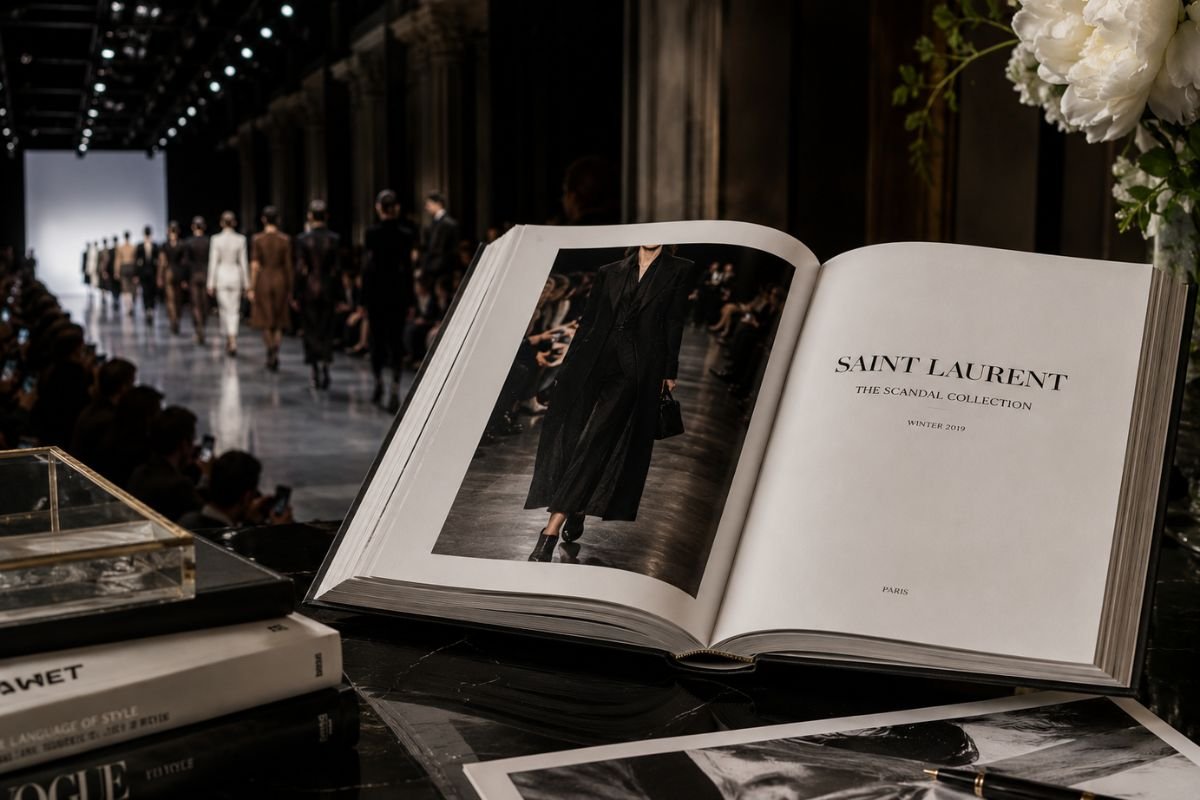
Coffee table books are among the most recognizable publications produced by fashion houses. Beyond their striking photography and design, these books serve a broader purpose.
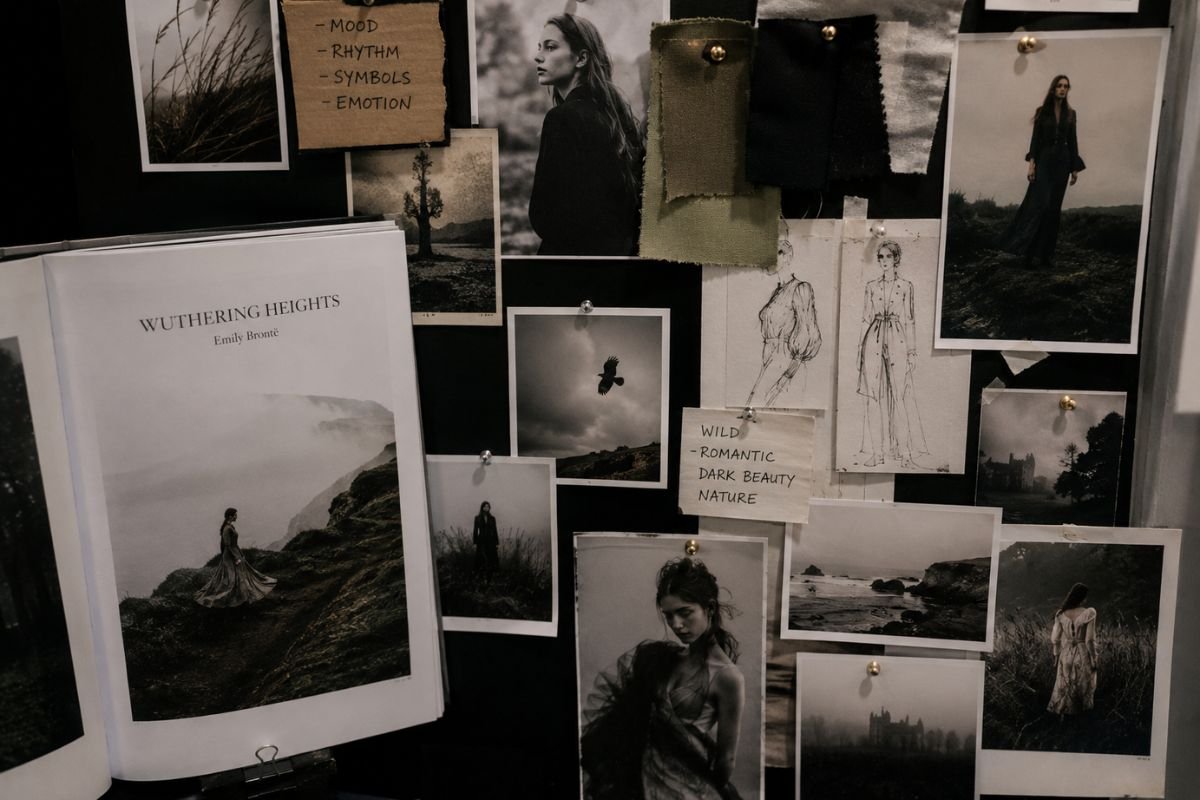
They allow brands to present their visual identity without the limitations of the fashion calendar. Within a single publication, photography, design, advertising, sketches, and creative direction can all exist together.
Many fashion houses have published books dedicated to iconic collections, collaborations, advertising campaigns, and other important aspects of their creative identity.
View this post on Instagram
Archive Books Preserve Fashion History
Every established fashion house accumulates decades of garments, sketches, fabrics, photographs, and creative materials. Publishing archive books transforms these collections into historical records.
Such books usually do more than present famous designs. They explain how ideas evolved over different periods, allowing readers to understand changing silhouettes, craftsmanship, and artistic influences that shaped the brand’s development.
By publishing archival material, fashion houses make their history accessible not only to museum curators or in-house design teams but also to a much wider audience.
Exhibition Books Extend the Life of Fashion Exhibitions
Major fashion exhibitions usually last only a few months, but the books created alongside them often remain influential for many years.
Fashion houses publish exhibition catalogues containing photography, historical essays, garment descriptions, and behind-the-scenes material connected with the exhibition.
Once an exhibition closes, these publications continue introducing its ideas to new audiences. They become more than souvenirs, serving as long-term references for fashion historians, students, collectors, and enthusiasts.
Photography Books Showcase Creative Vision Beyond Advertising
Fashion photography has always played an important role in defining the image of luxury brands. Publishing photography books allows fashion houses to present their creative work in a format that is not limited by advertising campaigns.
Many of these publications bring together photographs from different campaigns, photographers, creative directors, and decades of fashion experimentation. Unlike advertising campaigns, they are not tied to a single collection, allowing the creative work to be viewed in a broader context.
In many cases, the photographer becomes just as important to the publication as the fashion itself.
Publishing Helps Fashion Brands Preserve Their Story
Perhaps the greatest advantage of publishing is that it allows fashion brands to preserve their own narrative.
Unlike journalists, critics, museums, or historians, fashion houses can create carefully curated records of their development. Books provide space for context and reflection that cannot easily be communicated through runway shows or advertising campaigns.
As fashion continues to establish itself as an important part of cultural history, publishing becomes an increasingly valuable tool for preserving both a brand’s identity and its creative achievements.