
A brief overview
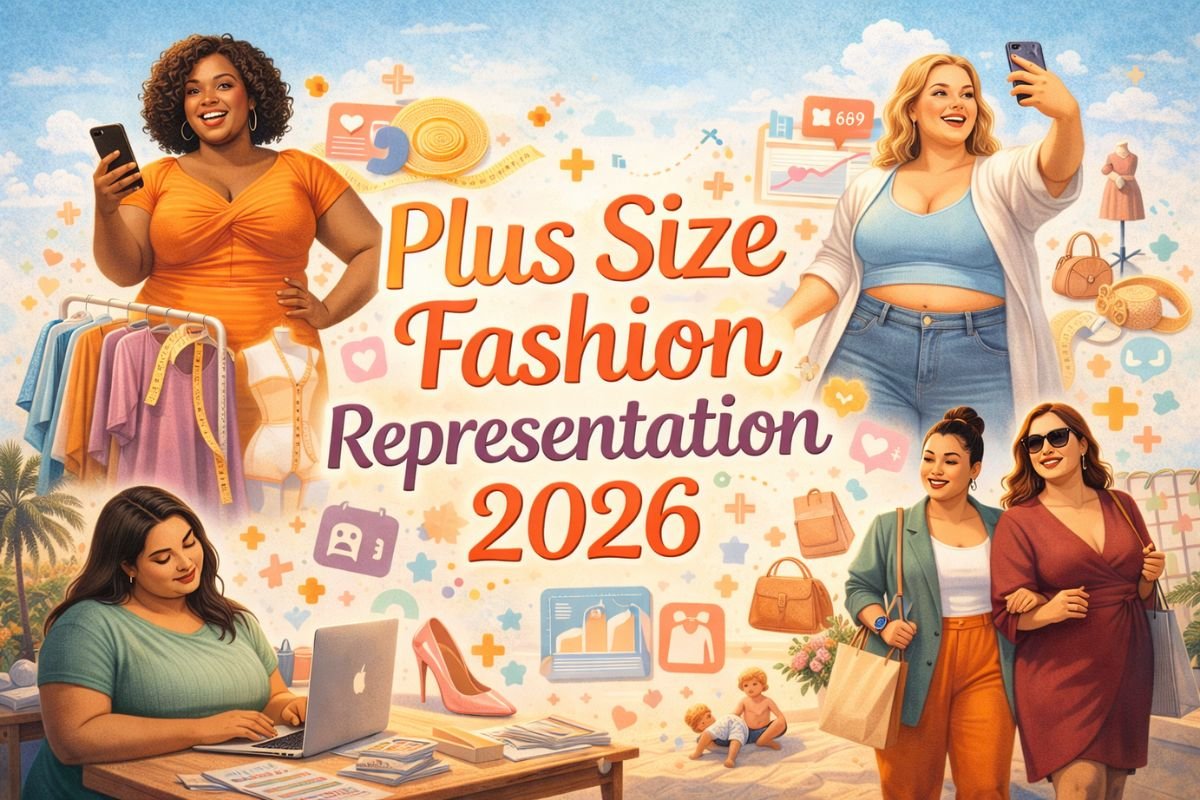
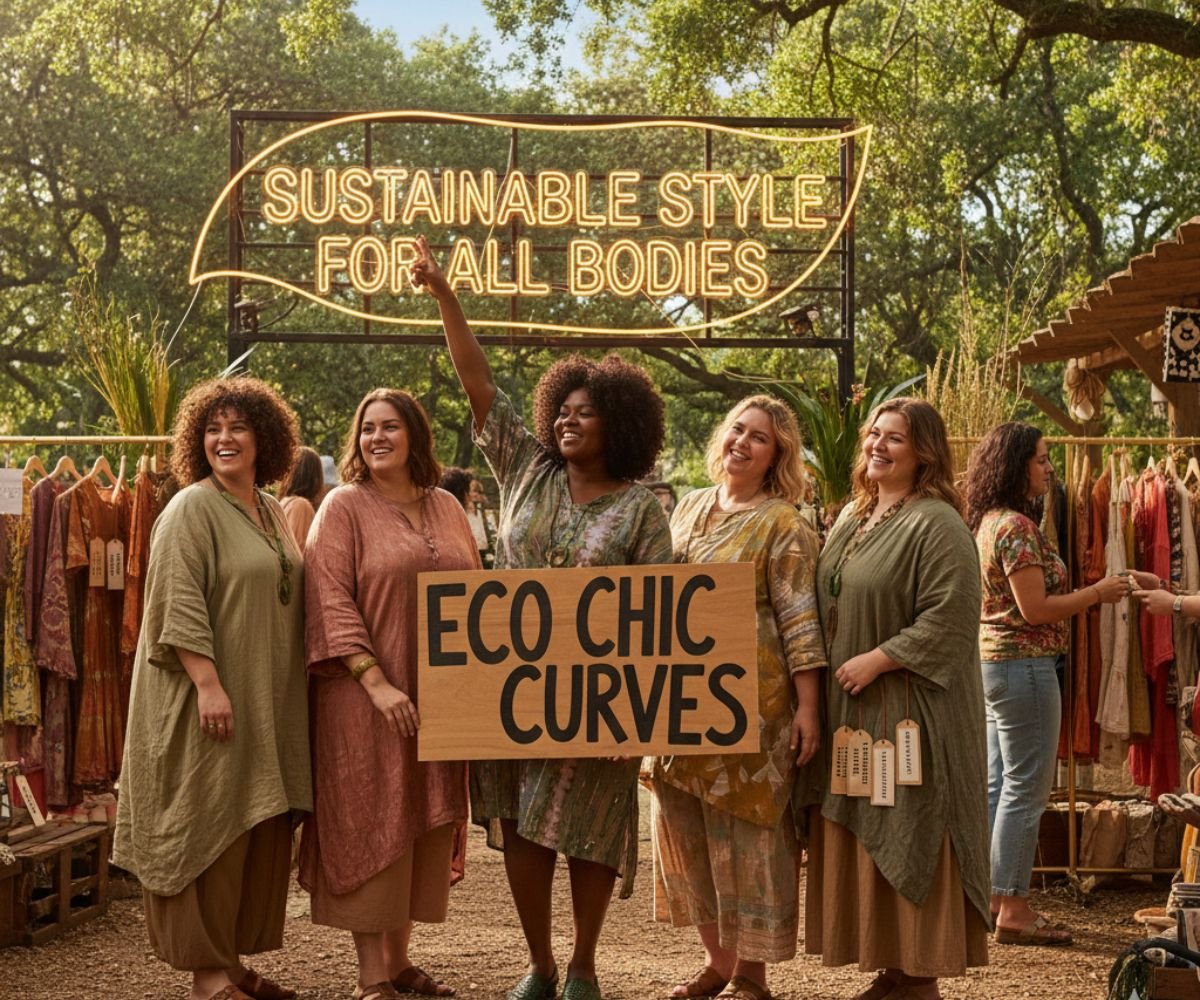
Sustainability has become one of the most trend-defining factors in the world of fashion currently, although in recent years, another trend has started gaining prominence in the markets: environmentally responsible curvy wear. The world of curvy wear has been gaining momentum in recent years and has become one of the most sought-after markets in the current industry, defined by size inclusivity and responsible manufacturing techniques that the industry ignored in the past. The future of plus-size wear seems to be entering a new generation of innovation and awareness.
For the curvy client across the globe, there has been a generation of accepting the options and trends that existed in a particular period of time. However, this generation has come to pass with the rising wave of sustainability being witnessed across the globe. The current generation of curvaceous consumers wishes to engage with products that not only feel good and can withstand the test of time but are also in line with the values this generation upholds. This generation includes markets such as the United States, Europe, and India.
The Global Shift Toward Sustainable Size Inclusivity
About 67 percent of women in the US are plus-size, yet responsible designer lines rarely reached beyond XL sizes in the past. This trend appears to be ending. Global brands are finally realizing that the future of responsible fashion cannot be exclusive but inclusive, a shift shaped in part by the momentum seen in recent plus-size collaborations. This entails offering more sizes and not only redesigning products in terms of fabrics but also creating responsible lines that are suitable for curvier figures instead of adapting straight sizes.
Natural fibers such as organic cotton, bamboo viscose, and Tencel have become crucial in this process, providing not only comfort but also style. Upcycling or using deadstock material has also become a trend, with new labels embracing this idea in the fight against the negative impact of fast fashion. Instead of embracing oversized clothing meant to accommodate curves, the new labels are embracing structure and sustainability in garment construction while being size-inclusive.
Rise in Sustainable Curvy Fashion in India
Despite this progress in global markets, India has emerged among the leading hubs in the world when it comes to environmentally friendly curvy wear. Curve fashion in the Indian plus-size industry has advanced remarkably in the past decade, thanks to the young generation of consumers who now advocate for both inclusivity and sustainability. Currently, there are brands such as Zivame Curvy, Biba Curve, and LastInch that include environmentally friendly fabrics in their products.
View this post on Instagram
View this post on Instagram
This trend mirrors overall industry shifts in the Indian market. With the rising trend of responsible innovation in textiles in India, the voice of the curvy consumer calling for responsible wear that respects both body and planet cannot be ignored. Unlike conventional mass market brands, responsible Indian brands now prioritize values such as sustainability in manufacturing and fair terms in production, which were commonly reserved only for the luxury segment.
For readers who love to turn inspiration into outfits, explore our full fashion range!
Material-wise too, Indian aesthetics are significant in this context. The use of block prints and embroidery in Indian designer wear in the plus-size category does not affect comfort while ensuring a perfect fit. The end result is clothing that retains its connection with tradition in terms of style but complies with the requirements of sustainability. This combination proves essential for many consumers.
Why Sustainability Matters to Curvy Consumers
The increase in earth-friendly, curvy fashion clothing is more than just a trend; there is more behind this growing wave. For many years, curvy consumers have dealt with problems in various fabrics, including reduced longevity, poor pilling resistance, or poor breathability in standard clothing. However, earth-friendly fabrics address all those problems. Natural fabrics such as organic cotton or modal offer comfort and smoothness. Another earth-friendly option is recycled polyester, which possesses endurance beyond that of standard synthetic fabrics. The biggest disadvantage of standard synthetic fabrics is the wastage of resources in mass production.
There is also the mental or psychological side. Consumers are beginning to realize the power of fashion not only in the formation of identity but also in relation to the planet. For the curvier woman, after years of being left with little choice regarding what to wear, there is now empowerment in selecting pieces that reflect her own values. The trend toward sustainability mirrors this empowerment because of the power that comes through personal choice in this particular industry.
The Future of Eco-Conscious Size Inclusivity
The future looks bright for size-inclusive sustainability in the industry. Large brands are being forced to incorporate consciously curated lines in larger sizes, and smaller brands are starting to develop fabrics that are biodegradable, along with production methods that minimize wastage and use closed-loop systems. Advances in technology are emerging in terms of accuracy in fit creation through digital pattern-making software meant for curvy figures.
The point where environmental sustainability and size inclusivity converge marks the beginning of a new trend in the world of fashion. This sector that once remained in the niches is now part of a larger social cause. With environmentally responsible fabrics and ethical manufacturing in mind and heart, Indian and international designers are helping create a world that finally brings style, sustainability, and diversity under one umbrella.