
A brief overview
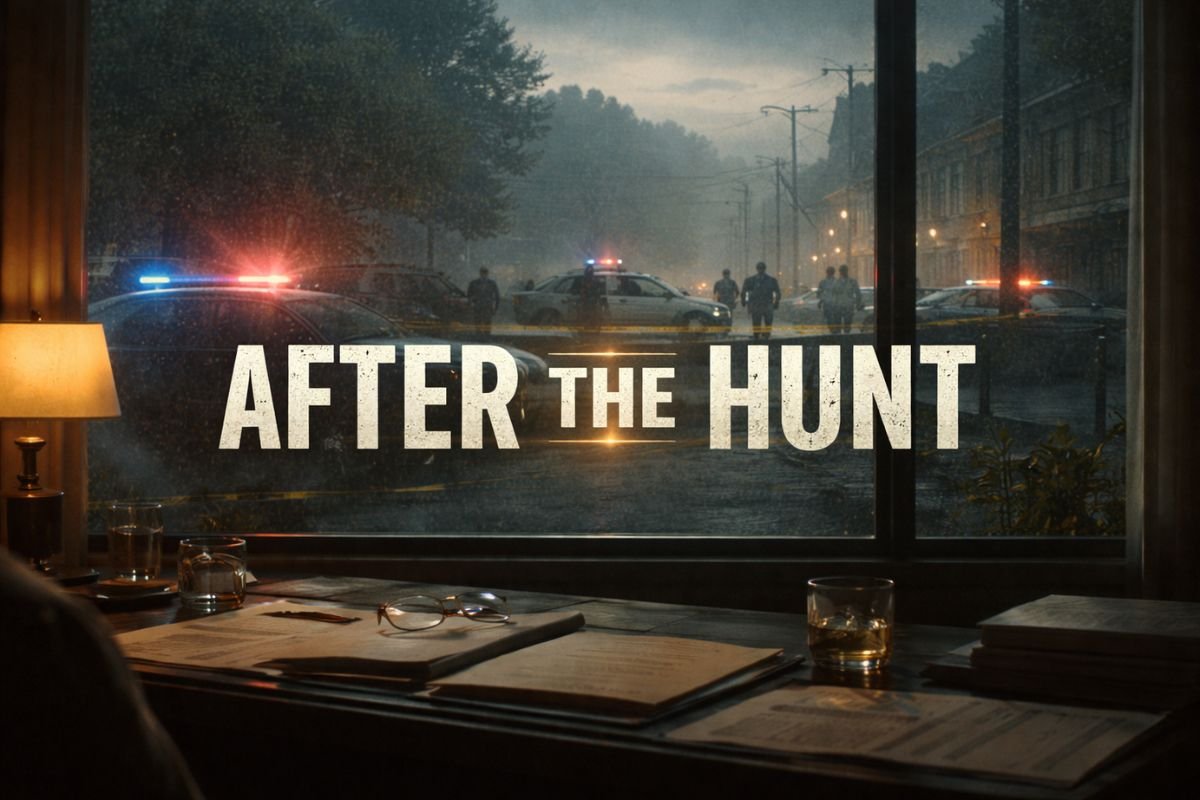
The release of Julia Roberts’ new film, After the Hunt, marks a significant shift in the career of a star who has spent much of the past few decades walking the line between popular accessibility and complex dramatic character possibilities. Rather than resting on familiar ground or the comfort of her renown, Roberts is thrust into a drama influenced by discomfort, moral dichotomy, and the emotional fallout of power. She is not cast as a beacon of certainty but as a complex character grappling with the ambiguities of a universe where easy answers are nowhere to be found.
View this post on Instagram
Roberts’ character is a woman accustomed to exercising her intellectual power. As a philosopher, Alma Imhoff inhabits a world where imagination constructs reality, and where assertion often replaces inquiry. However, this equilibrium is disturbed by the central charge of the film. What begins as an intellectual puzzle becomes an intense personal odyssey that reveals the fragility of the self.
It is not a tale of heroes and villains. The direction of Luca Guadagnino is well known for indulging in emotional discomfort, and this film follows that exact path. The director chooses not to dwell on the tensions left unresolved. Roberts’ acting showcases her understanding of this approach. She portrays a character who is well-intentioned and flawed, one who also possesses the capacity for compassion but is fully invested in controlling everything around her.
Why It Matters Now – Julia Roberts New Movie
Themes explored in Julia Roberts’ new film After the Hunt are aptly linked to recent trends of accountability and power dynamics. Higher education institutions, traditionally seen as pillars of knowledge and morality, have faced scrutiny regarding their handling of abuse charges. However, After the Hunt does not resolve or explore the delivery of justice; rather, it investigates the emotions tied to confronting truth in impenetrable systems.
In recent years, cinema has seen a rise in stories that delve into moral gray areas. Audiences are increasingly drawn to narratives that reflect the real-life experiences of individuals, rather than presenting a black-and-white worldview. Roberts’ role can thus be seen in line with this trend.
Julia Roberts at a Career Crossroads
Roberts views this film as part of her continued journey into more complex and challenging roles, moving away from her romantic leads in mainstream dramas to more psychologically demanding projects. She seems drawn to stories that involve discomfort just as much as they involve moments of happiness.
Experts in the movie industry have observed that veteran actors are showing greater interest in character-driven films that prioritize substance over spectacle. Julia Roberts’ recent film After the Hunt embodies this change, as she delivers her role with restraint and reflection. This shift is evident in biographical films like Sofia Coppola’s Priscilla, which offer audiences a deeply personal look at the lives of legendary figures, focusing on nuanced performances and real emotions.
Closing Thoughts
After the Hunt, Julia Roberts’ latest release, is an exploration of the nature of authority, morality, and the personal cost of making moral choices. By placing a well-known actress in a role that embraces discomfort, the film challenges the audience to withhold quick judgments and endure uncertainty. In this way, it aligns with the emerging genre of films that prioritize emotional authenticity rather than simply providing answers.