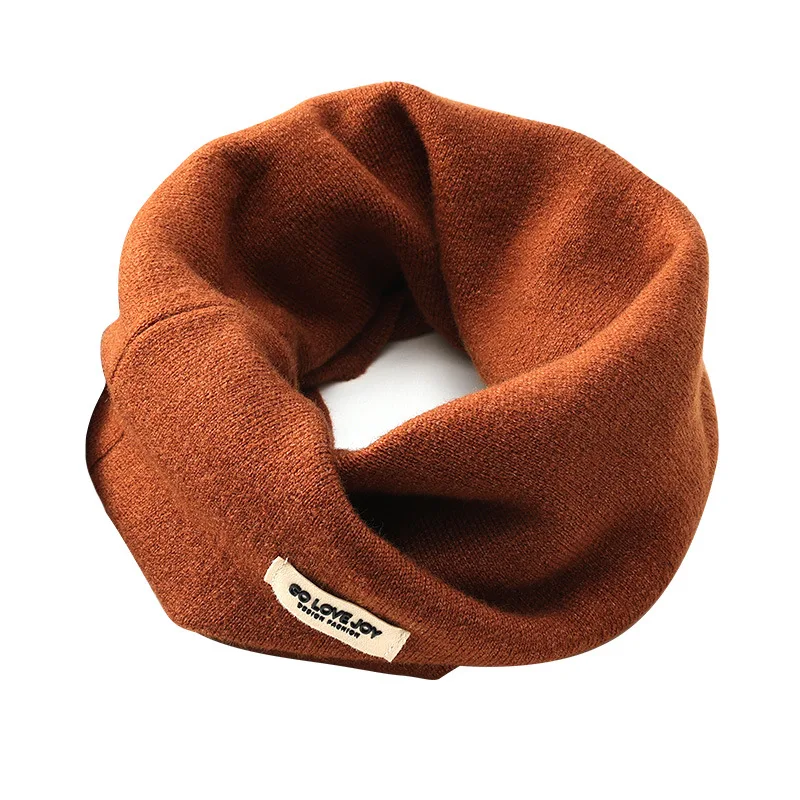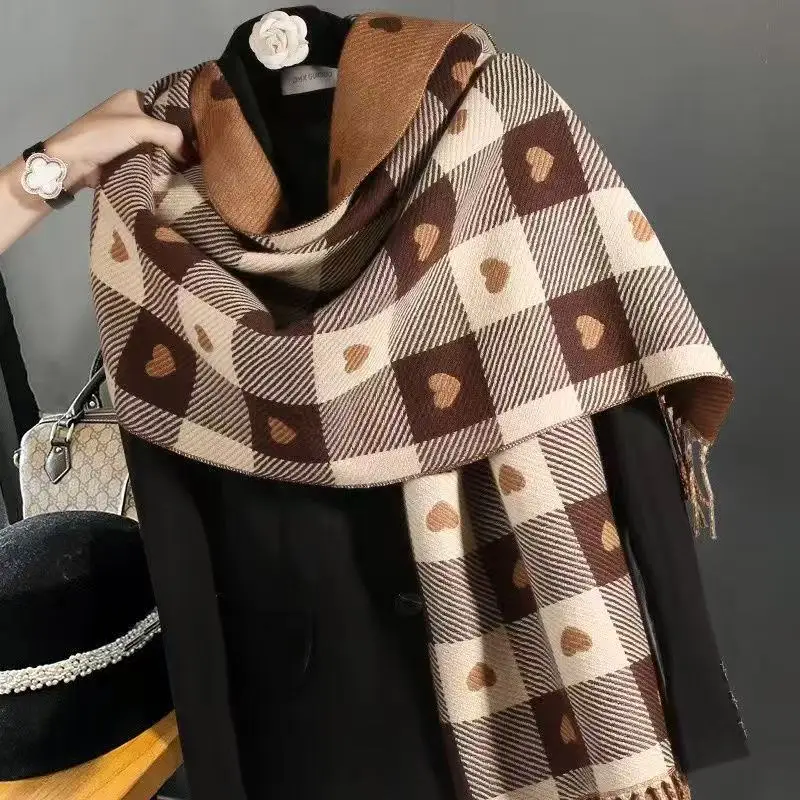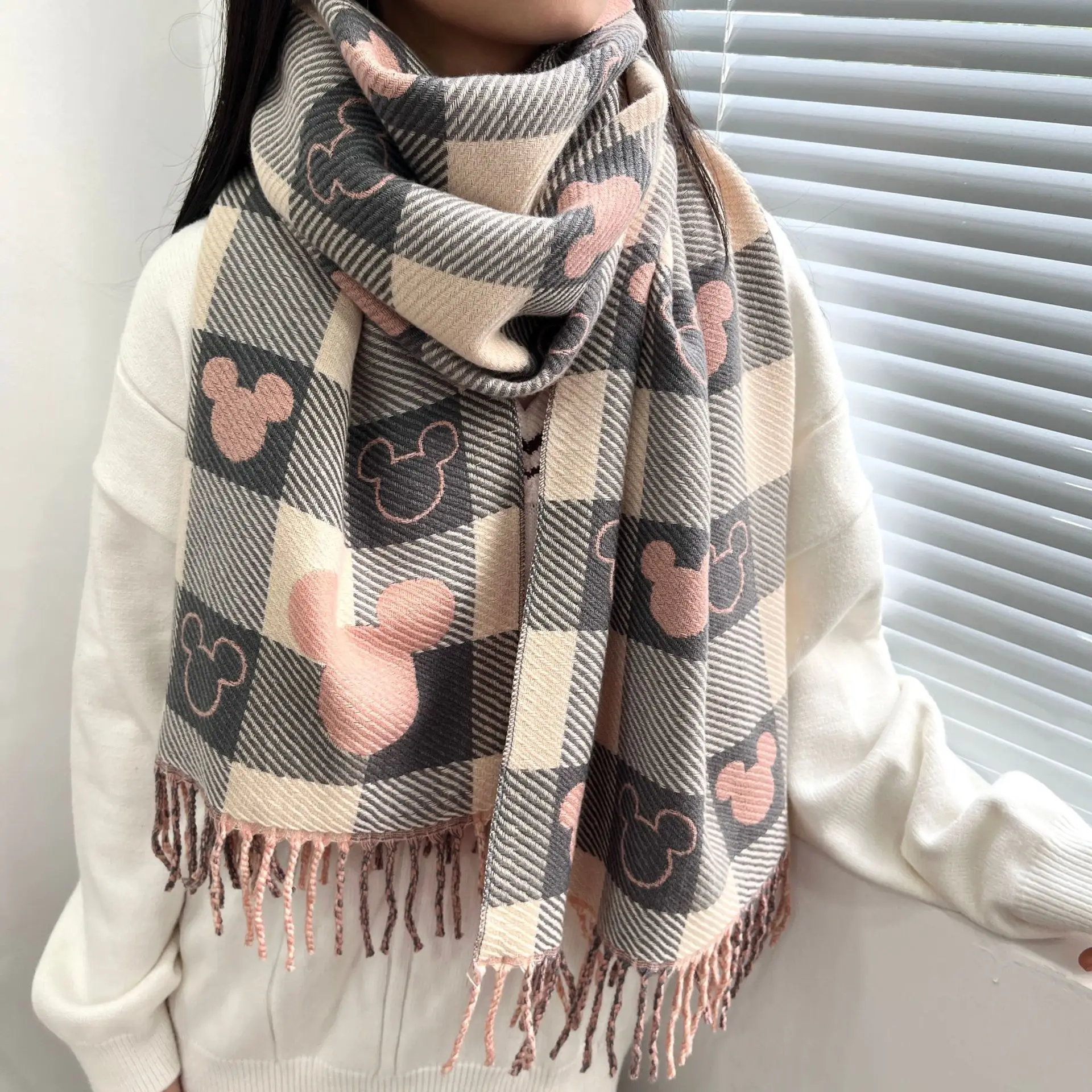

A brief overview
Texture in fashion design plays a critical role in defining the look and feel of a fashion product, thereby creating depth, contrast, and a sense of hierarchy. Before delving into the details of construction, texture shapes the interaction of light with the fabric and the distribution of visual weight across the body.
The Role of Surface as a Visual Dimension
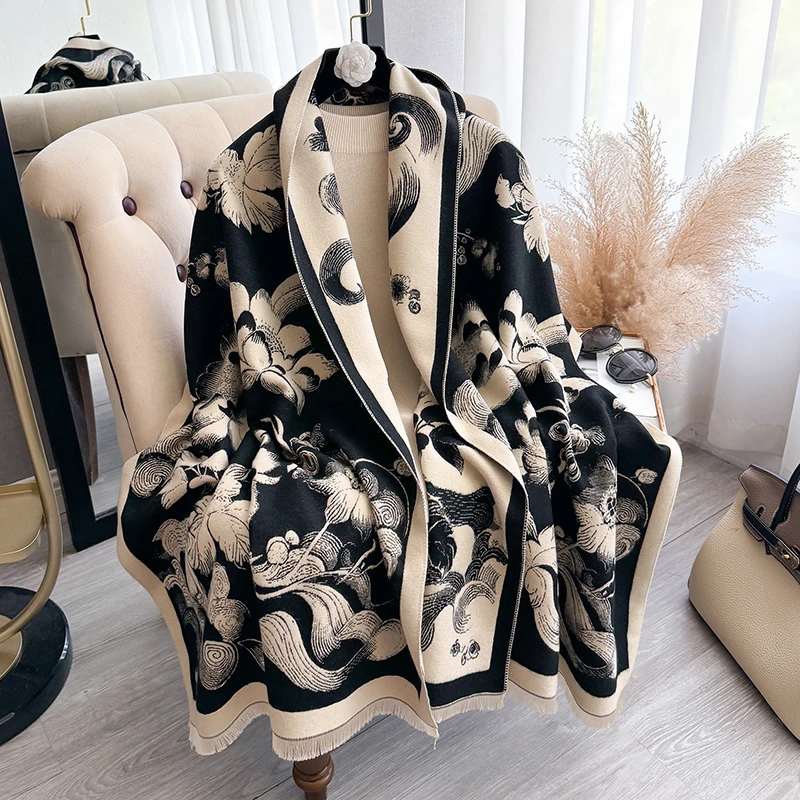
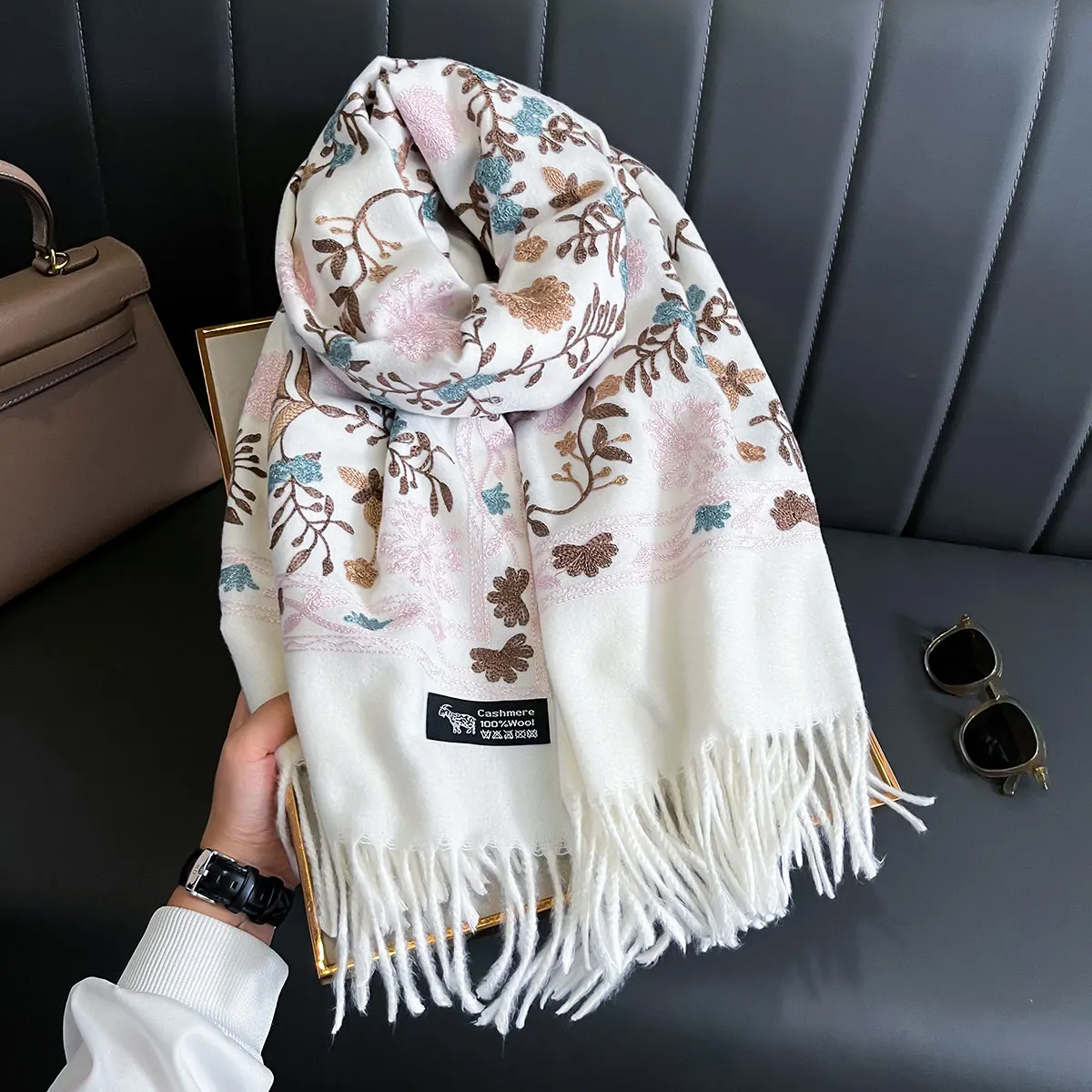
Texture plays a critical role in the creation of dimension. When a fashion product has a smooth texture, the light reflects off the surface, while a textured fashion product reflects light in different ways. In texture in fashion design, this phenomenon creates layers without the use of color or pattern. As a result, depth is created through texture, defining a garment as having a sense of structure or fluidity based on the fabric used.
This dimension plays a critical role in creating a sense of depth and layers, as well as shaping the visual character of the garment.
The Role of Contrast and Visual Hierarchy
Texture in fashion design plays a critical role in creating hierarchy. When two different textures come together, a sense of hierarchy emerges. When a matte texture and a shiny texture come together, contrast and hierarchy are established. Through texture in fashion design, a sense of tension and balance is created through the use of different textures, illustrating how these elements work together within a single design.
Texture and the Language of Luxury
Surface quality is also a measure of value. Fine textures, finishes, and tactile richness have long been associated with skilled craftsmanship. In fashion design, texture’s complexity and luxury often lie in subtlety rather than overt ornamentation. Visual depth invites closer attention and conveys refinement before touch is even involved. It’s a clear example of how texture functions as one of the essential elements of fashion design.
Structural Texture and Form
Texture in fashion design is not merely a method for decoration; it is a determinant for structure. Stiffer textures will hold their form, while softer textures will follow movement. In texture in fashion design, these properties are used in the construction of form.
Layering and Aesthetic Development
Advanced design often employs layered texture as a method for creating complex visual fields. Subtle differences in texture, weave, or finish can add complexity without overwhelming the viewer. As a result, a composed surface is created, adding interest and richness to a garment.
Perception Beyond Pattern
Texture in fashion design is a means for expanding fashion language beyond color and form. Surface becomes a medium for communicating depth, contrast, and hierarchy, often interacting with color perception in shaping visual impact. By influencing how a garment is seen and experienced, texture becomes a fundamental component in aesthetic development.