
A brief overview
- 1 What is a Kimono Called in Japan?
- 2 The Kimono’s Timeless Elegance and Global Influence
- 3 Is It Okay to Wear a Kimono if You’re Not Japanese?
- 4 How Much Does a Kimono Cost in Japan?
- 5 What Are the Rules of Wearing a Kimono?
- 6 Do Girls Wear Anything Under a Kimono?
- 7 Can a White Person Wear a Kimono?
- 8 What Not to Do in a Kimono?
- 9 How to Go to the Toilet in a Kimono?
- 10 How to Tell if a Kimono is Real?
- 11 Why Do Kimonos Have Big Sleeves?
- 12 Conclusion
The Japanese kimono is one of the most iconic pieces of clothing in the world, signifying tradition and craftsmanship. This traditional Japanese attire, with its rich history and unique design, has significantly impacted global fashion trends for centuries. What exactly is a kimono, and how is it relevant in today’s world? Let’s delve into the world of Japanese kimonos, their history, and their impact on global fashion.
View this post on Instagram
What is a Kimono Called in Japan?
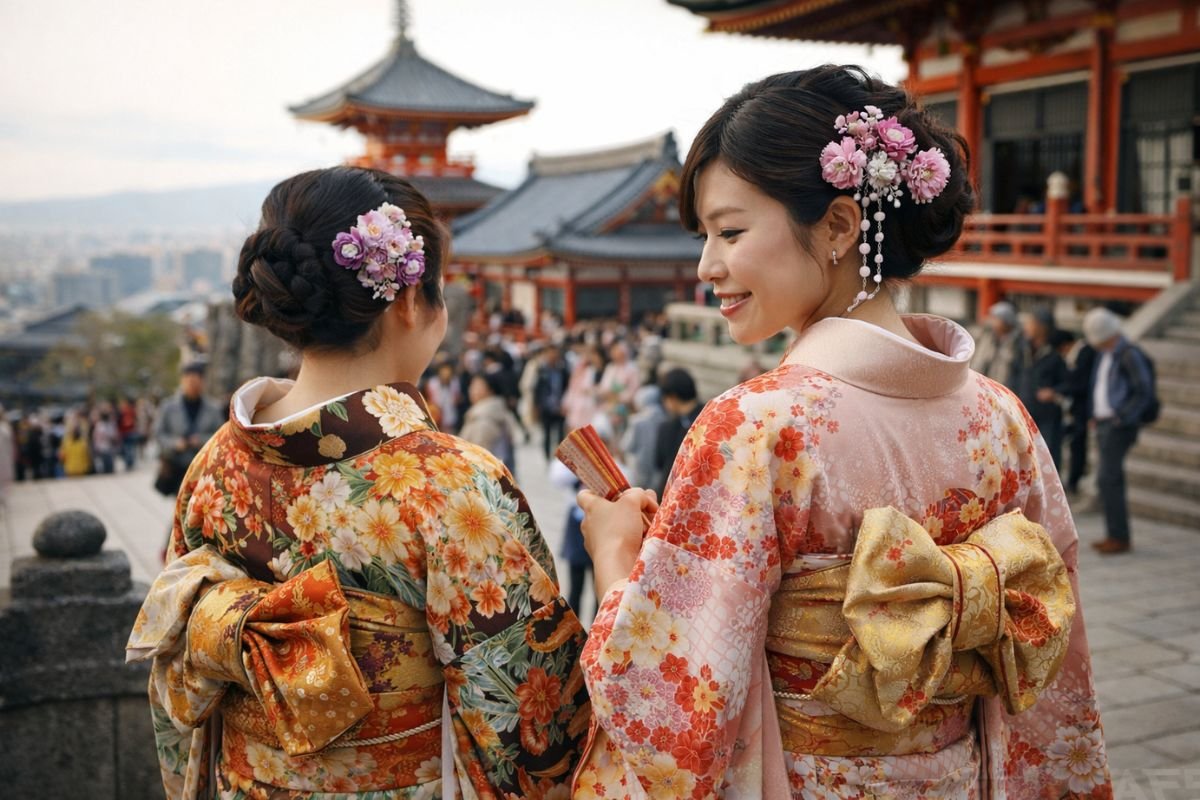
The Japanese kimono is referred to as “着物” (pronounced ki-mo-no) in Japanese, literally translating to “thing to wear.” It is a traditional Japanese garment characterized by its long design with wide sleeves. The traditional kimono is made of silk, with beautiful floral patterns, symbolic designs, and bright colors. Though it has undergone many changes throughout history, it remains significantly associated with Japanese history, with many designs and materials symbolizing different aspects of Japanese culture.
The Kimono’s Timeless Elegance and Global Influence
The Japanese kimono has a rich history, and its influence on Japanese culture is immense. In the past, it was not just an outfit; it signified an individual’s status. In Japan, different types of kimonos with varying colors were worn depending on an individual’s status, age, and occasion. With its impact on Japanese history, it gradually influenced global fashion. In today’s world, it has inspired many artists and fashion designers worldwide, signifying elegance, art, and culture. Famous celebrities have incorporated elements of kimono design into their haute couture.
The influence of the kimono on global fashion can be observed from the runway to the streets. The dramatic sleeves, intricate embroidery, and flowing design of the kimono have left their mark on the world of fashion, bringing together the Eastern look with the Western feel.
Is It Okay to Wear a Kimono if You’re Not Japanese?
One of the most asked questions when discussing the kimono is, “Is it okay to wear a kimono if you’re not Japanese?” In the past few years, the kimono has been gaining acceptance among people who are not Japanese, especially as many Western fashion brands incorporate the kimono look into their designs. Nevertheless, it is important to note that when it comes to the kimono, it is not just about the clothing but about the history that comes along with it.
While it is perfectly fine to wear a kimono, especially when it comes to cultural exchange, it is important to note that the history behind the kimono gives it a new sense of value, moving from simply being a fashion statement to showing respect for Japanese culture.
One of the most common confusions when it comes to Japanese clothing is the difference between a yukata and a kimono. Even though the yukata and the kimono look similar, the difference lies in the materials used and the functions for which they are worn. A kimono is usually made of silk and is worn on special occasions like weddings, tea ceremonies, and festivals. On the contrary, a yukata is a light cotton version of the kimono, usually worn during summer festivals.
The yukata is simpler and consists of fewer layers with more vibrant and playful designs. On the other hand, the kimono is more elaborate and consists of a sophisticated layering system, elaborate obis (belts), and details with regard to fabric and design. While the kimono signifies tradition and formality, the yukata provides a casual yet elegant alternative for summer.
How Much Does a Kimono Cost in Japan?
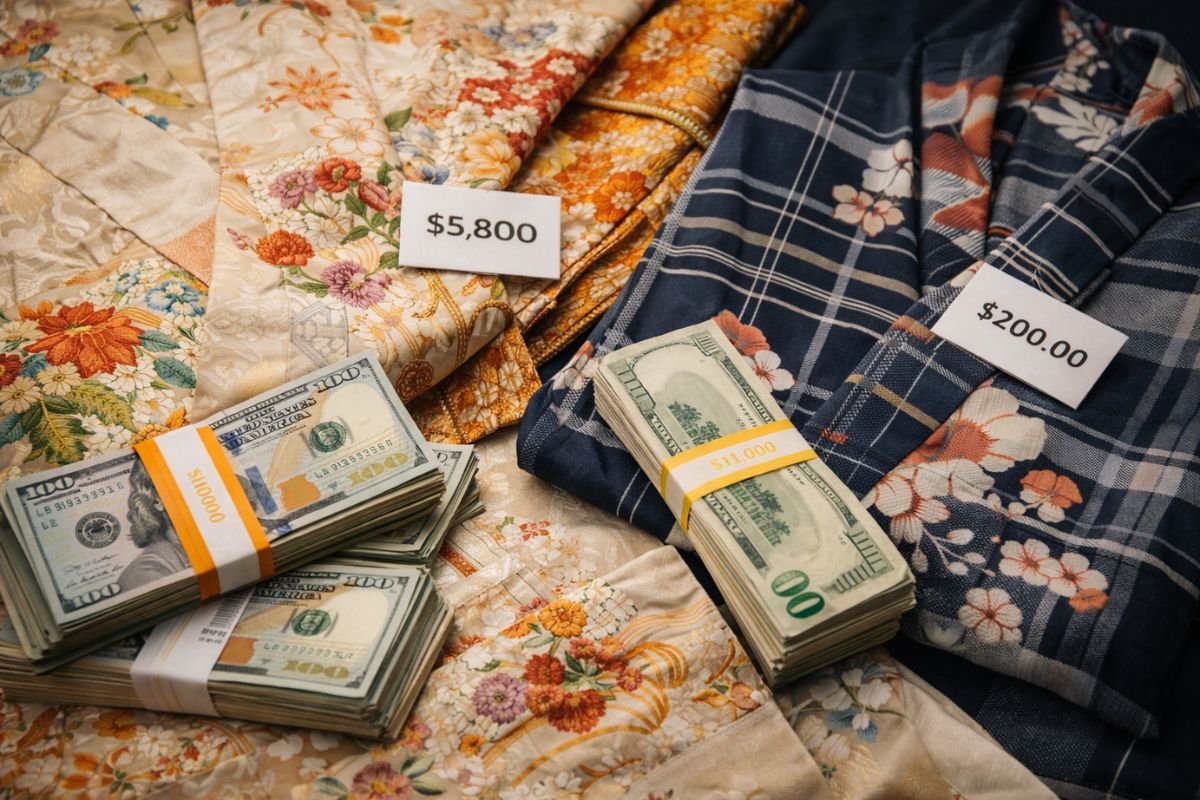
Kimono prices vary depending on several factors, such as the fabric and design used. Traditional silk kimonos, especially those designed by renowned designers and artisans, can range from several hundred dollars to thousands of dollars. For instance, a high-quality handwoven silk kimono can cost more than $5,000. On the other hand, simpler mass-produced versions using synthetic materials or cotton can be more affordable and cost between $100 and $300.
For those interested in having an authentic experience with the kimono, there are also kimono rental services available in Japan that allow visitors to rent a kimono for a day or special occasions and experience the elegance and beauty of the kimono at a fraction of the cost. Kimono rental services cost between $40 and $100 for a day’s wear.
What Are the Rules of Wearing a Kimono?
Wearing a kimono is not as simple as putting it on; there are several rules and guidelines that need to be followed when wearing a kimono correctly. First and foremost, the kimono must be worn with the left side draped over the right side, as the opposite way is reserved for the deceased. In addition, the obi (wide belt) is tied at the back and can signify several things, such as marriage and age.
In addition, kimonos are often accessorized with traditional items like geta, wooden sandals, and haneri, collar inserts. The design, color, and accessorization of the kimono also depend on the season, occasion, and the wearer’s age. The precise process of putting on a kimono is an art form in itself, with many people dedicating themselves to mastering the skill.
Do Girls Wear Anything Under a Kimono?
The answer is yes; girls wear a hadajuban, also called an under-kimono, and sometimes a juban, which is a slip. The hadajuban is worn next to the skin, while the juban is worn on top of the hadajuban. The hadajuban is worn to protect the kimono from the wearer’s sweat and body oils. This ensures that the kimono is maintained properly and does not deteriorate over time. The juban is worn on top of the hadajuban to help the kimono retain its shape.
Can a White Person Wear a Kimono?
The answer is yes; a white person can wear a kimono. However, it is important to do so with respect. If you are a white person interested in wearing a kimono for cultural appreciation, fashion, or ceremonial purposes, you should do so with awareness. In recent times, cultural critics have expressed concerns about cultural appropriation when traditional garments are worn without understanding their heritage. It is important to be aware of the cultural background of the garment you are wearing.
What Not to Do in a Kimono?
When you wear a kimono, there are some important etiquette tips to follow. You must always ensure that the obi is tied properly. The obi must be tied securely around the waist to keep the kimono in place. In addition, you must never cross your legs when you sit on the floor, as this could cause the kimono to wrinkle. Finally, the hem of the kimono must never drag on the floor. You must therefore adjust the kimono accordingly while walking.
How to Go to the Toilet in a Kimono?
Going to the toilet in a kimono is a tricky affair, especially because of the multiple layers. The traditional way is to carefully lift the hem of the kimono without letting the different layers touch the floor. This requires practice, and most people who wear kimonos learn this beforehand.
How to Tell if a Kimono is Real?
To know whether a kimono is real, there are some important factors to look out for. A kimono is considered authentic if it is made of high-quality silk. In addition, it should be carefully stitched and appear luxurious. A kimono may also show slight variations in pattern, which can indicate artisanal production.
Why Do Kimonos Have Big Sleeves?
The large sleeves of a kimono have both functional and symbolic significance. Traditionally, the sleeves allowed items to be carried, such as a fan or a handkerchief. They also symbolize grace and elegance, as they flow with the movements of the wearer. The design highlights the fluidity and beauty of the kimono.
Conclusion
The Japanese kimono is not just an article of clothing; it is a living embodiment of Japan’s rich cultural history, symbolizing elegance, tradition, and art. From its craftsmanship to its impact on global fashion, the kimono continues to mesmerize and inspire the world. Whether worn in traditional ceremonies or as a symbol of fashion innovation, its influence remains unmistakable. As fashion changes, so does the legacy of the kimono, proving that even in a world of fast-paced trends, elegance will always have its place.