
On the opening night of Beyoncé’s Renaissance World Tour in Stockholm, the singer appeared in a shimmering Loewe bodysuit with an unusual detail: a pair of strategically placed hands that seemed to wrap around her body. Designed by Jonathan Anderson, the look created a playful optical illusion, with the hands becoming part of the garment itself. It was the kind of costume that made you look twice, even before Beyoncé began moving across the stage.
That first appearance offered a glimpse of what audiences could expect from the 2023 tour. As Beyoncé traveled through Europe and North America, her wardrobe became an evolving showcase of fashion, with custom creations by Mugler, Alexander McQueen, Balmain, and other major houses. Metallic finishes, sculptural shapes, and intricate embellishments appeared throughout the performances, each bringing a different visual character to the stage.
But the most interesting part was how the wardrobe continued to change. Some designs drew on the archives of established fashion houses, while others introduced audiences to emerging talent. Beyoncé also used selected performances to highlight Black designers and local creative voices, giving the fashion an identity that extended beyond the spectacle of the concert itself.
View this post on Instagram
The Loewe Bodysuit That Made Everyone Look Twice
Jonathan Anderson’s custom Loewe design became one of the tour’s most recognizable fashion moments.
The bodysuit featured strategically placed hand motifs that created the illusion of someone embracing Beyoncé’s figure. Its glittering surface caught the stage lights, while the fitted construction allowed her to perform the demanding choreography without sacrificing the garment’s visual effect.
The design reflected Loewe’s interest in trompe-l’œil, a technique that uses visual illusion to make one thing appear to be another. Anderson had explored similar ideas in his runway collections, but the stage offered a particularly lively setting for the concept.
The look was provocative without relying on elaborate decoration. Its impact came from the contrast between a familiar bodysuit silhouette and an unexpected graphic detail.
Mugler, McQueen, and the Art of Stage Dressing
The tour’s wardrobe brought together designers whose approaches to fashion were dramatically different.
Mugler’s connection to theatrical performance made the house a natural fit. Beyoncé appeared in custom designs featuring sculptural construction, metallic finishes, and silhouettes that emphasized the body’s movement.
Alexander McQueen contributed a different kind of drama. The house’s designs drew on its tradition of sharp tailoring and elaborate detailing, creating pieces that could hold their own against the tour’s enormous stage production.
Balmain also played an important role in the visual identity of Renaissance. Beyoncé collaborated with creative director Olivier Rousteing on a couture collection inspired by the album, exploring metallic materials, architectural shapes, and intricate embellishment.
The costumes demonstrated how designers could adapt their distinctive aesthetics to live performance. A runway garment may be designed primarily for a brief walk, but Beyoncé’s stage clothes had to withstand choreography, lighting changes, and repeated performances while maintaining their shape.
That combination of technical construction and visual impact gave the tour some of its most memorable fearless silhouettes.
The Designers Beyoncé Brought Into the Spotlight
Beyond the established luxury houses, Beyoncé used parts of the tour to recognize designers connected to the cities and communities she visited.
For her Juneteenth performance in Amsterdam, she wore designs created exclusively by Black fashion designers. The wardrobe included work by established names as well as independent labels, placing their creations before an international audience.
The choice carried particular significance for an album rooted in Black dance music and the communities that helped shape house and ballroom culture.
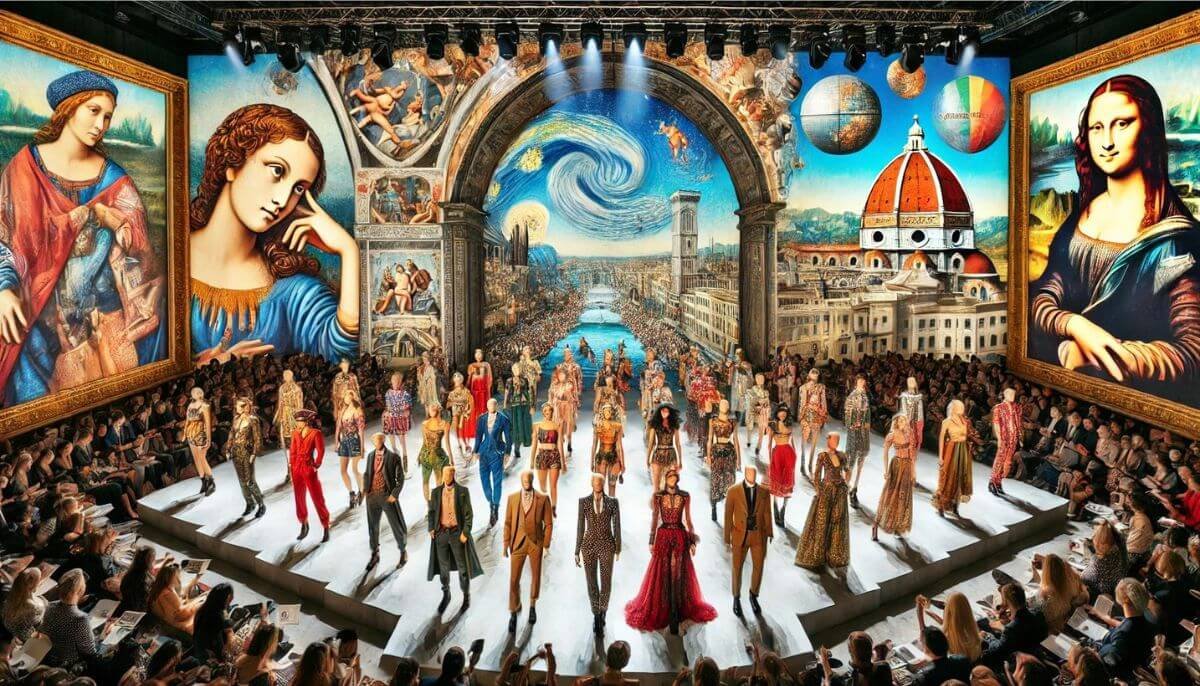
Beyoncé’s costumes were not presented as historical recreations of those scenes. Instead, the designers brought their own interpretations to a contemporary stage production, combining fashion references with the visual world of Renaissance.
It was a moment when the selection of designers became as meaningful as the clothes themselves.
How the BeyHive Turned Concert Nights Into Fashion Events
The fashion spectacle extended far beyond Beyoncé’s wardrobe.
During the tour, fans embraced metallic clothing, rhinestones, silver boots, cowboy hats, and futuristic accessories inspired by the album’s visual identity.
The trend became especially visible after Beyoncé asked concertgoers to wear silver for shows taking place during Virgo season, in celebration of her birthday. Audiences responded with outfits ranging from simple metallic tops to elaborate handmade creations.
The result was a striking visual connection between the stage and the stadium. Thousands of shimmering looks reflected the concert lighting, turning the audience into part of the production’s overall atmosphere.
For many fans, planning an outfit became part of the experience of attending the show. Social media filled with styling ideas, custom designs, and photographs of concertgoers interpreting the Renaissance aesthetic in their own ways.
The Fashion Legacy of the Renaissance World Tour
By the time the tour concluded in October 2023, Beyoncé had worn an extraordinary range of custom stage designs. The wardrobe documented the work of established fashion houses, independent designers, stylists, and craftspeople who contributed to the production.
The tour’s influence was also preserved beyond the concerts themselves. The 2023 film Renaissance: A Film by Beyoncé offered a behind-the-scenes perspective on the production, while publications and fashion retrospectives continued documenting its costumes.
For readers interested in exploring the designs more closely, the Renaissance World Tour costumes provide another way to revisit the looks that accompanied the performances.
Perhaps the most distinctive part of the tour’s fashion story was the relationship between the performer and her audience. Beyoncé’s costumes established the visual world, but the thousands of people arriving in silver, sequins, and handmade outfits helped make it their own.
For one summer, getting dressed for a concert became an event almost as exciting as the show itself.