
There are many reasons to appreciate the beauty of fashion books. Their large formats, striking photography, and elegant covers make them ideal additions to living room interiors. However, limiting their role in fashion to decoration alone overlooks their true importance.
Long before fashion appears on runways or across digital platforms, fashion books serve as working resources for designers, stylists, historians, students, editors, and museum curators.
They preserve knowledge, document the development of ideas, and provide context that is often difficult to find in today’s fast-moving digital environment.
It is not about how these books look but about what they contain.
View this post on Instagram
Fashion Research Starts With Reliable Sources
Fashion changes quickly, but research moves at a different pace.
When designers need to explore a historical silhouette, a textile technique, or a cultural influence, they often turn to books that examine these subjects in depth. Unlike fast-moving online articles or social media posts, fashion books are usually based on archival sources. They provide historical context and detailed information about garments and the environments in which they were created.
This depth of research allows designers to follow the evolution of ideas over decades instead of viewing fashion as a series of isolated trends.
Fashion books are particularly valuable when researching costume history, regional fashion traditions, or specific fashion movements whose full context cannot be understood through images alone.
View this post on Instagram
Archives Preserve Fashion Beyond a Season
Every fashion season introduces countless collections, yet only a small number become lasting references.
Fashion books document these important collections through garments, sketches, runway photography, exhibitions, and the creative process behind them.
Museums, fashion libraries, and academic institutions continue using these publications because they preserve carefully curated records of fashion events that remain relevant for many years.
These books become part of fashion’s collective memory.
They allow future generations not only to see what people wore but also to understand the development of design philosophies, construction techniques, and the cultural influences that shaped fashion.
Inspiration Comes From the Past
Inspiration rarely exists without reflecting on the past.
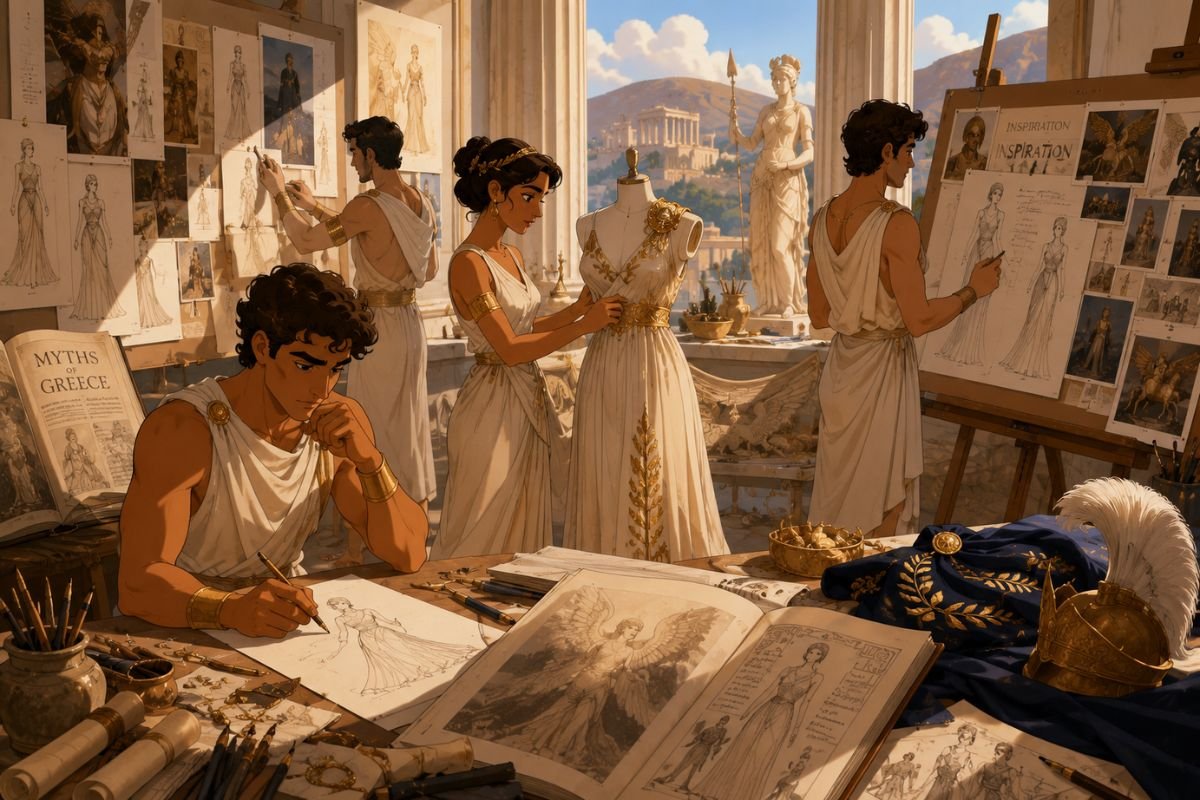
When developing new ideas, designers and stylists often study historical garments, photography, illustrations, fabrics, and craftsmanship. Fashion books bring these materials together, making deeper research possible than is often achievable through fast-moving online content.
A careful examination of garment construction, embroidery, proportions, or fabric techniques often reveals ideas that influence the entire creative process.
Fashion books do not encourage imitation. Instead, they help creative professionals understand why certain ideas have remained influential throughout fashion history.
Fashion Education Still Depends on Printed Materials
Although students now have access to countless digital resources, fashion books continue to play an important role in education.
Leading fashion schools encourage students to study costume history, textile development, garment construction, and visual culture through established fashion publications. These sources help build historical knowledge alongside practical design skills.
Understanding how fashion responded to social change, technological innovation, and artistic movements gives future professionals a stronger foundation than relying solely on contemporary trends.
That educational value is difficult to replace with fragmented online information.
Fashion Books Help People Observe Rather Than Consume
One of the greatest strengths of fashion books is the pace they encourage.
The internet rewards speed, while books reward attention. Readers spend time examining photographs, comparing collections, studying details, and understanding context that is often overlooked in fast-moving digital environments.
This slower pace frequently leads to deeper analysis and stronger creative inspiration.
Observation has always been at the heart of fashion, and fashion books remain one of the best tools for developing that skill.
Why Fashion Books Still Matter
Fashion books have never been simply decorative objects.
They matter because they preserve knowledge, support research, inspire creativity, and document the evolution of fashion in ways that extend far beyond a single season or trend.
As fashion continues balancing rapid digital communication with growing interest in history and craftsmanship, fashion books remain one of the few resources that bring both worlds together. They are not merely decorative pieces but lasting records of how fashion is created, researched, understood, and remembered.