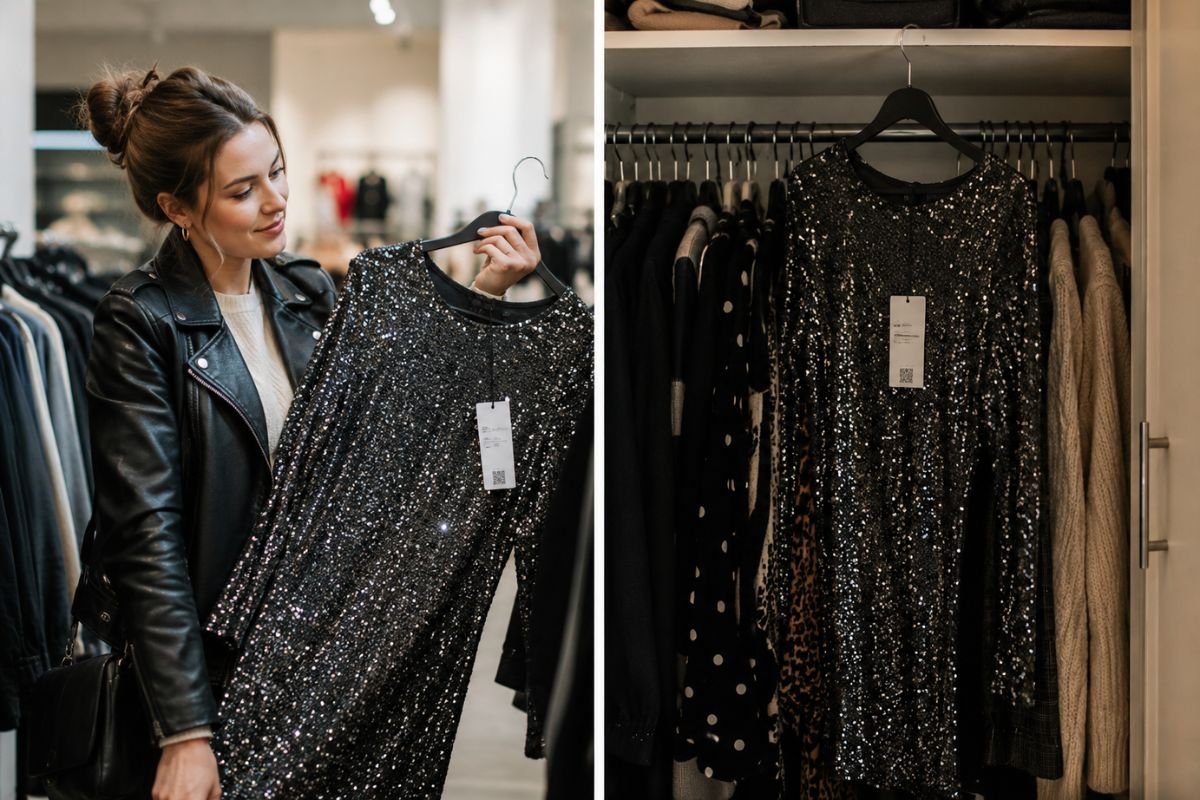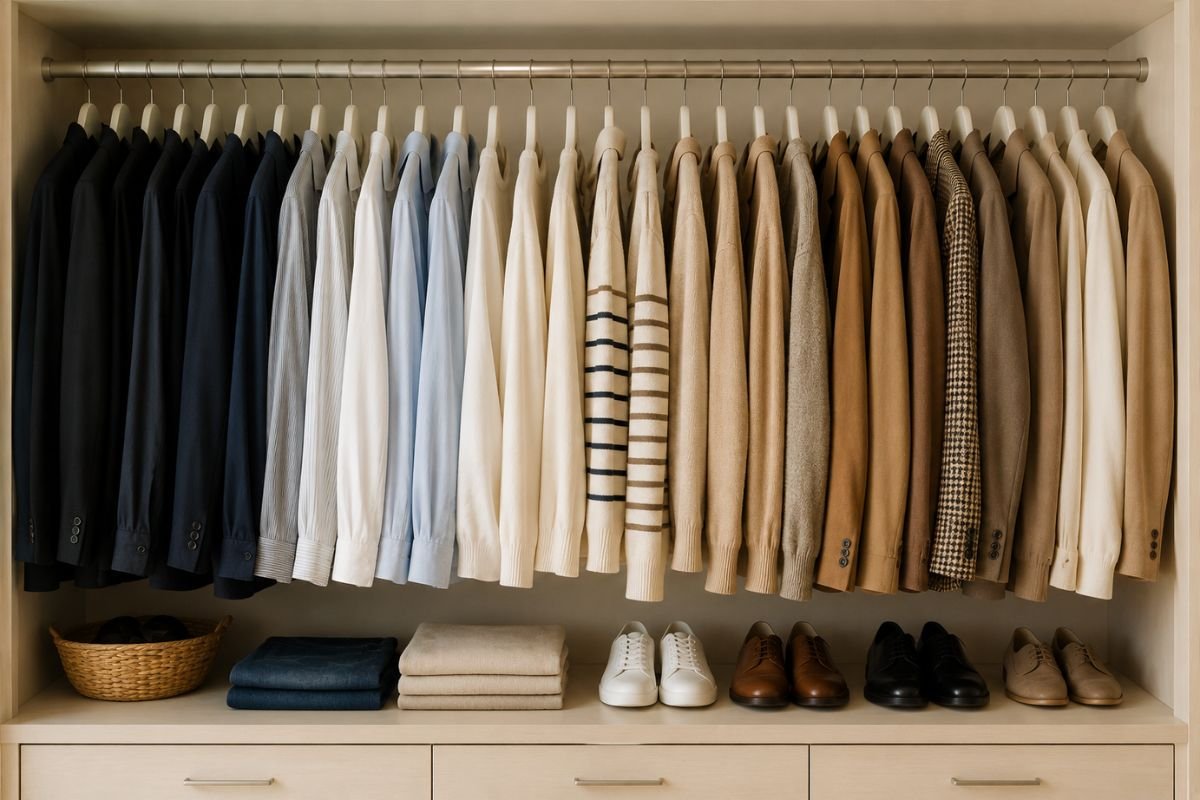

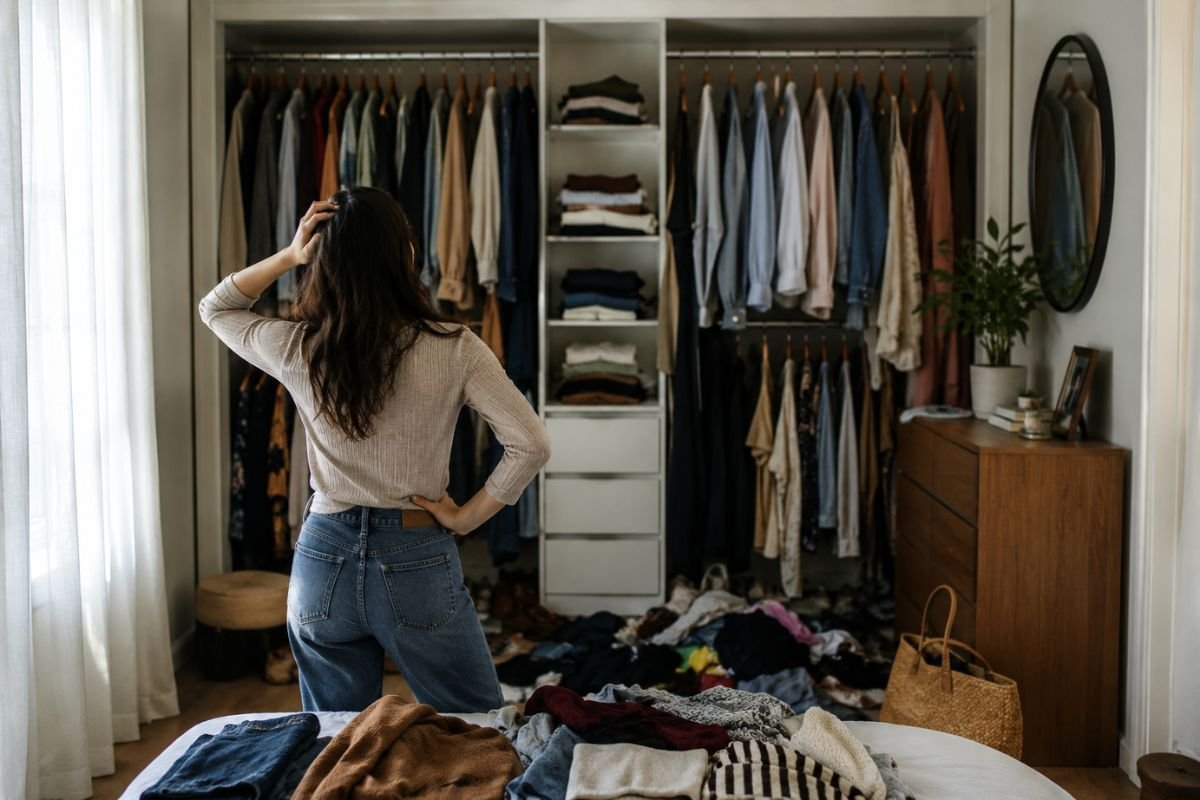
A widespread misconception about clothes and the number of them states that a larger wardrobe will provide a greater number of choices. However, statistics show that most clothes purchased are actually left unworn in the closet. This phenomenon cannot be related to fashion alone; rather, it is largely a matter of human behavior.
Reasons Behind The Problem
The first important reason behind wearing only a limited number of clothes lies in people’s preference for familiar items. Choosing familiar clothes is always easier because it requires less mental effort when deciding what to wear. Thus, the choice is often based on familiarity, comfort, and predictability.
Another factor behind wearing the same clothes is buying habits. People often purchase clothes based not on their current needs but rather on their hopes for the future. They buy clothes for a future version of themselves who may look different or lead a different lifestyle. As a result, many purchased items remain unused and fail to serve their intended purpose.
Moreover, the process of decision-making is important as well. People rarely analyze all available options and instead rely on intuition or previously worn clothing items.
Besides, the emotional component can also play a significant role in this issue. Clothes may bring back memories associated with particular purchases or personal achievements and therefore remain in the closet regardless of whether they are actually worn.
Finally, lifestyle changes may result in fewer clothes being worn because such changes occur gradually while the wardrobe itself remains largely unchanged.
Thus, this issue is not related to a lack of clothing items or available options. It depends greatly on people’s decisions, habits, and psychology.