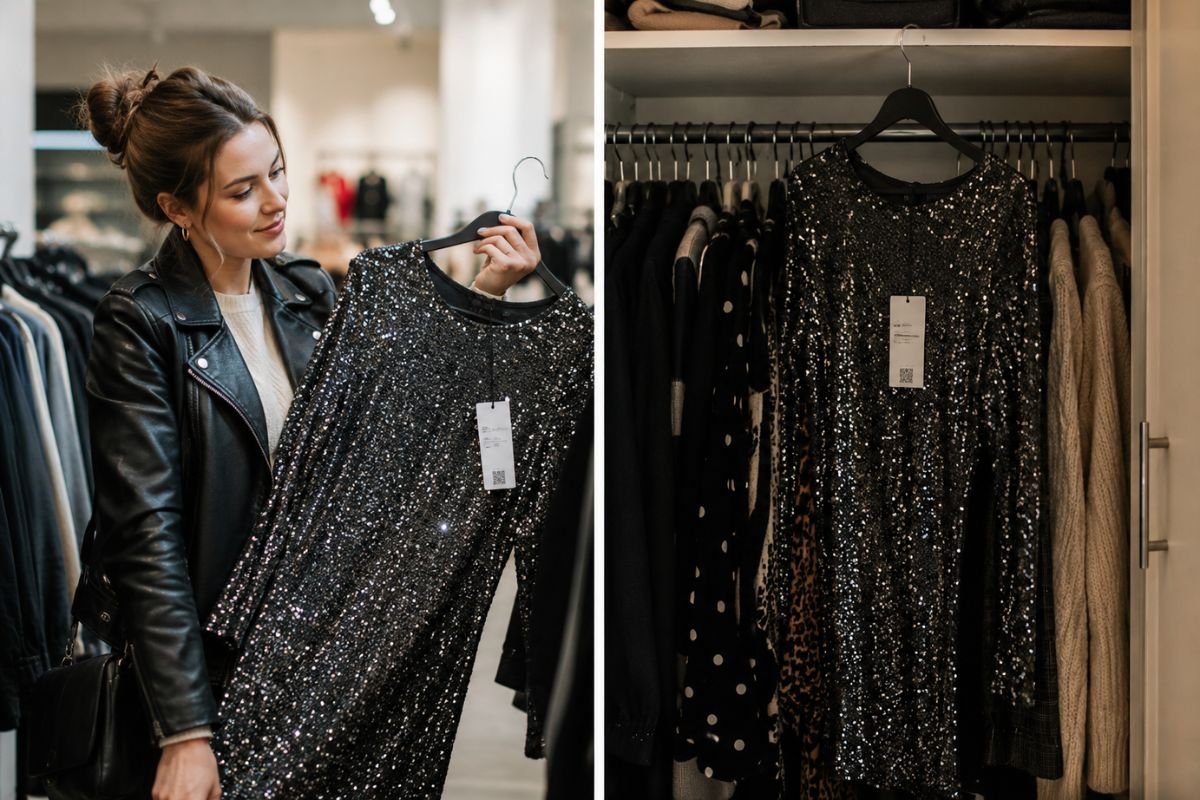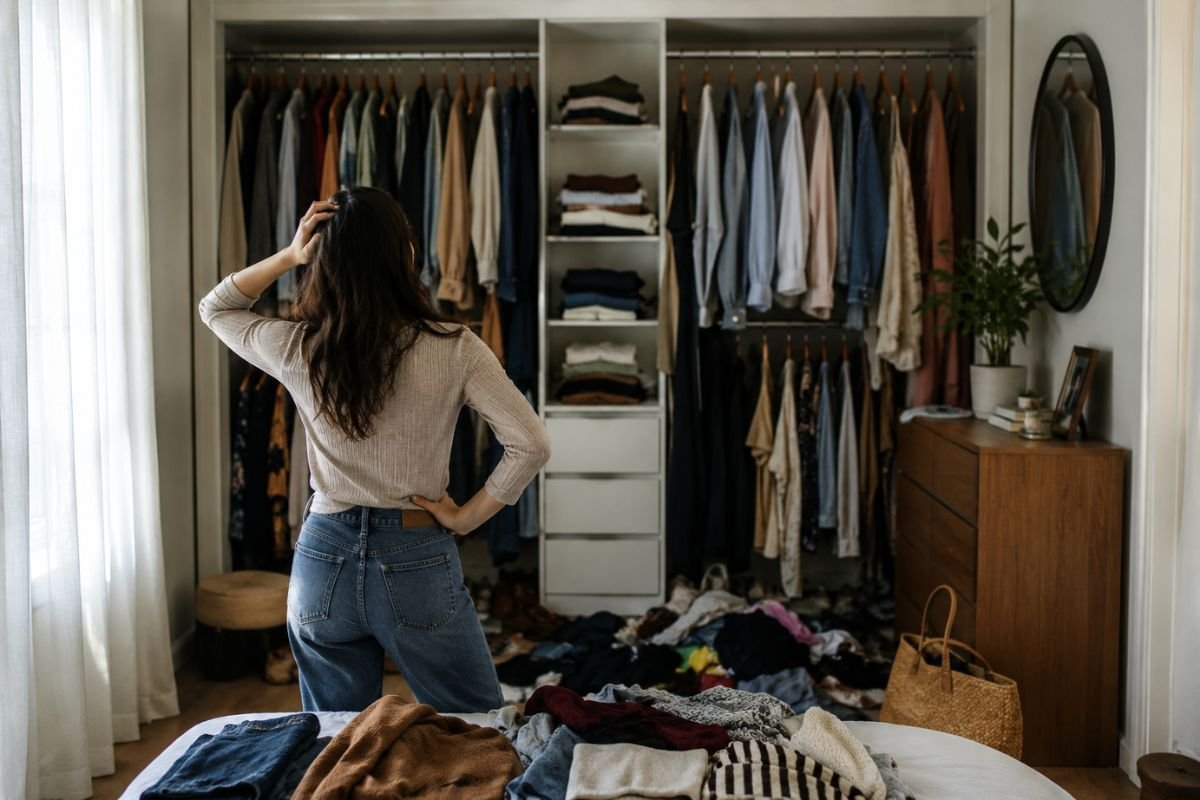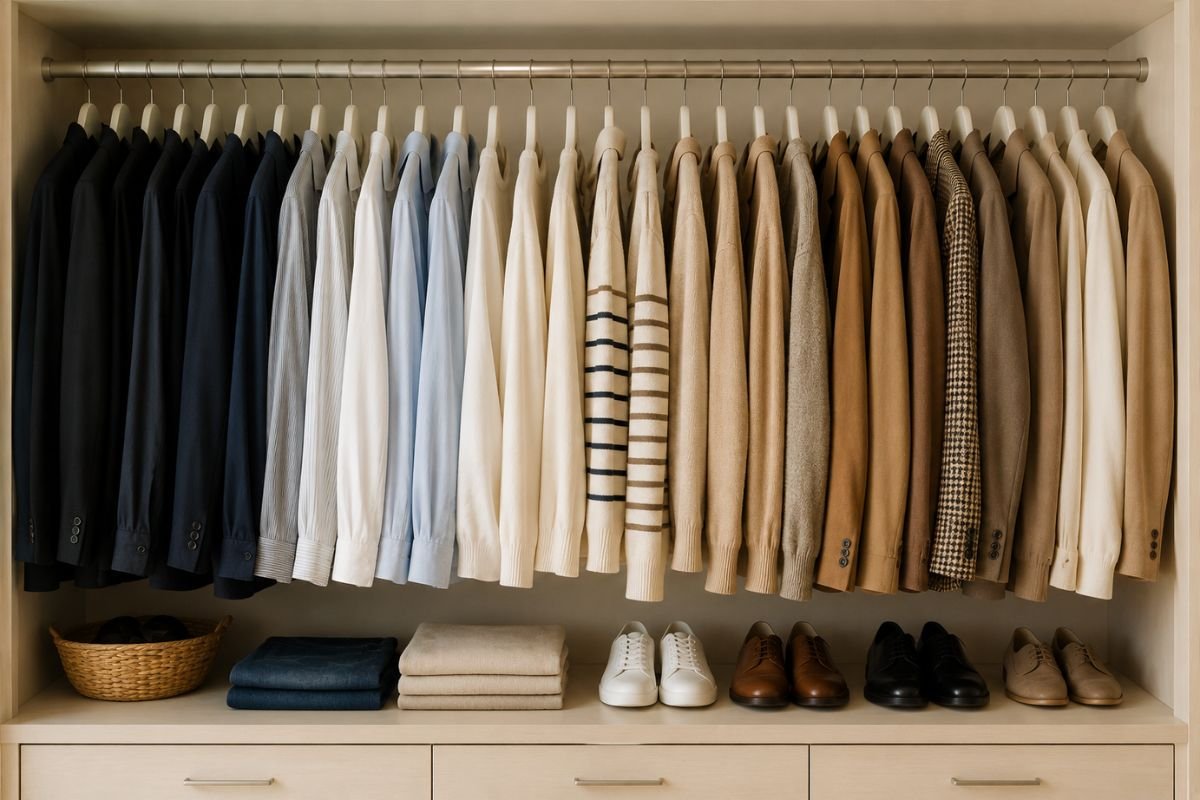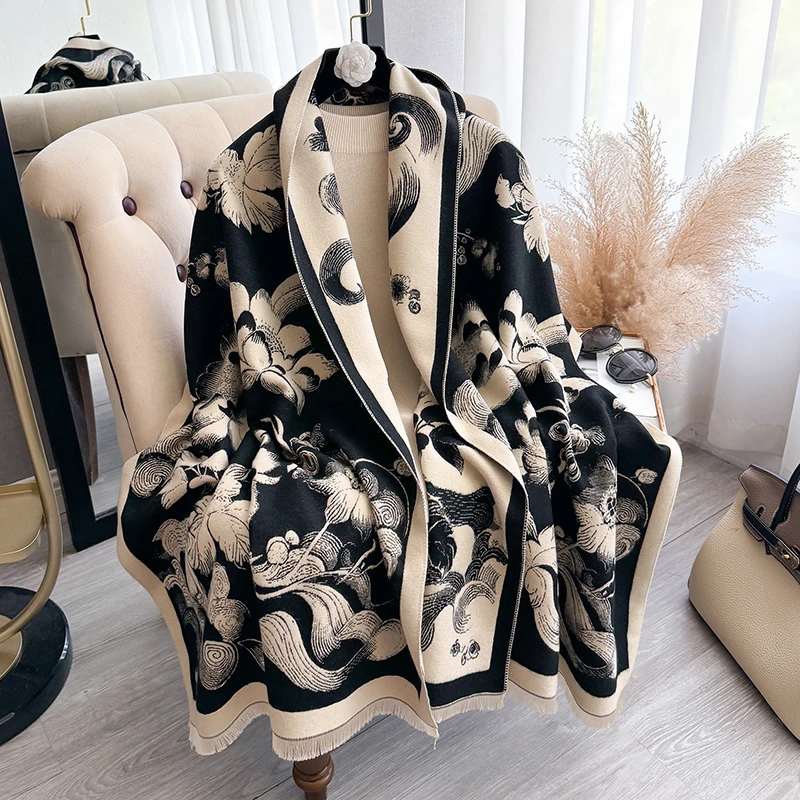

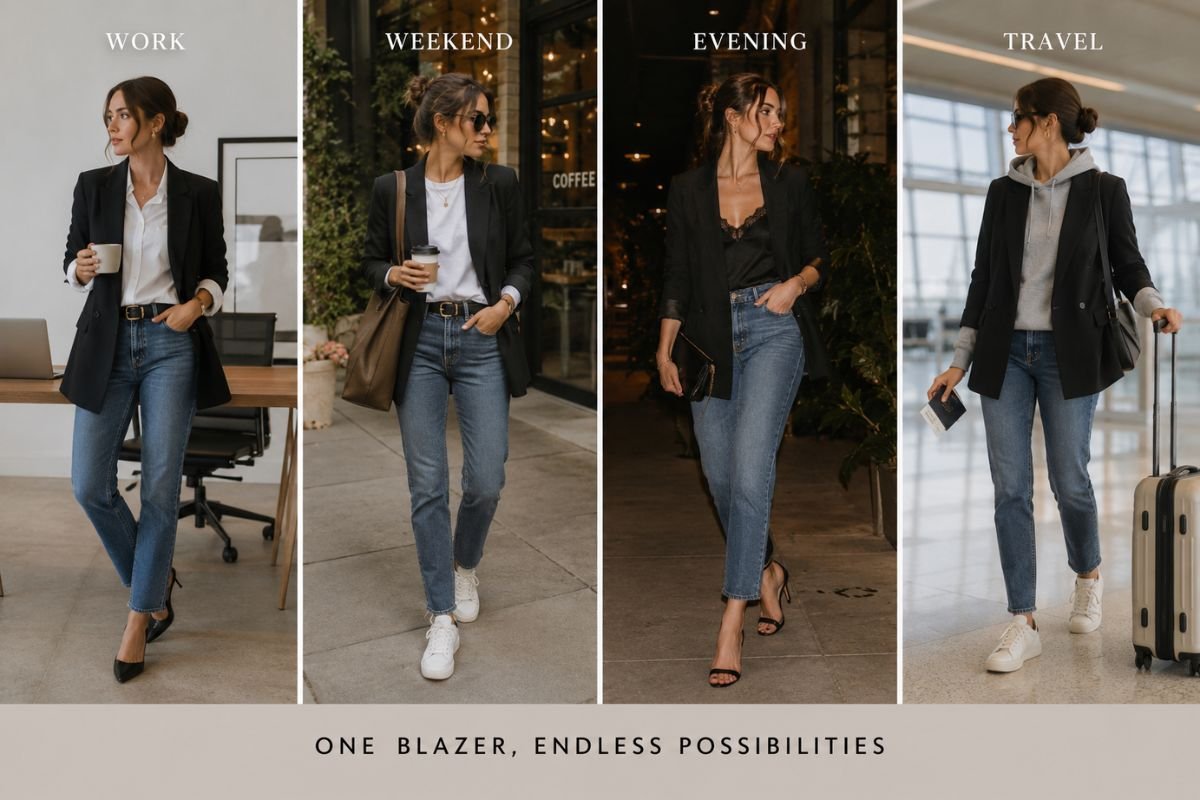
There are clothing items that go well with almost any outfit or occasion, while others do not. Most of the time, this is not accidental. Flexibility results from features that allow a piece of clothing to fit into a variety of outfits.
Factors that Make Clothes Flexible
Design features such as simplicity have a direct impact on the ability of a clothing item to work with different styling options. Clothes with clean lines, balanced forms, and neutral designs rarely become distracting. On the contrary, distinctive features, unusual shapes, and elaborate design details may attract attention but often make a piece less flexible.
Neutral color is another feature of flexible clothing. Since neutral shades work well with most other colors, they can easily be used in multiple combinations. However, it should be noted that this does not mean all flexible clothing must be neutral in color.
Fit is one of the most important characteristics of flexible clothing. A comfortable fit that is neither too tight nor too loose is much more likely to work with other garments than clothing with a very strict silhouette.
Balance is another key characteristic. Flexible clothing rarely takes attention away from other pieces. Instead, it helps create a cohesive look, making it useful in a variety of combinations.
Compatibility with other garments is the final feature that affects flexibility. Although a piece may look great on its own, it becomes less useful if it works with only a small number of other items. Flexibility is ultimately about creating multiple possibilities.
In other words, some clothes are flexible because of their simplicity, adaptability, compatibility, and balance. These characteristics make them easy to combine with other pieces.