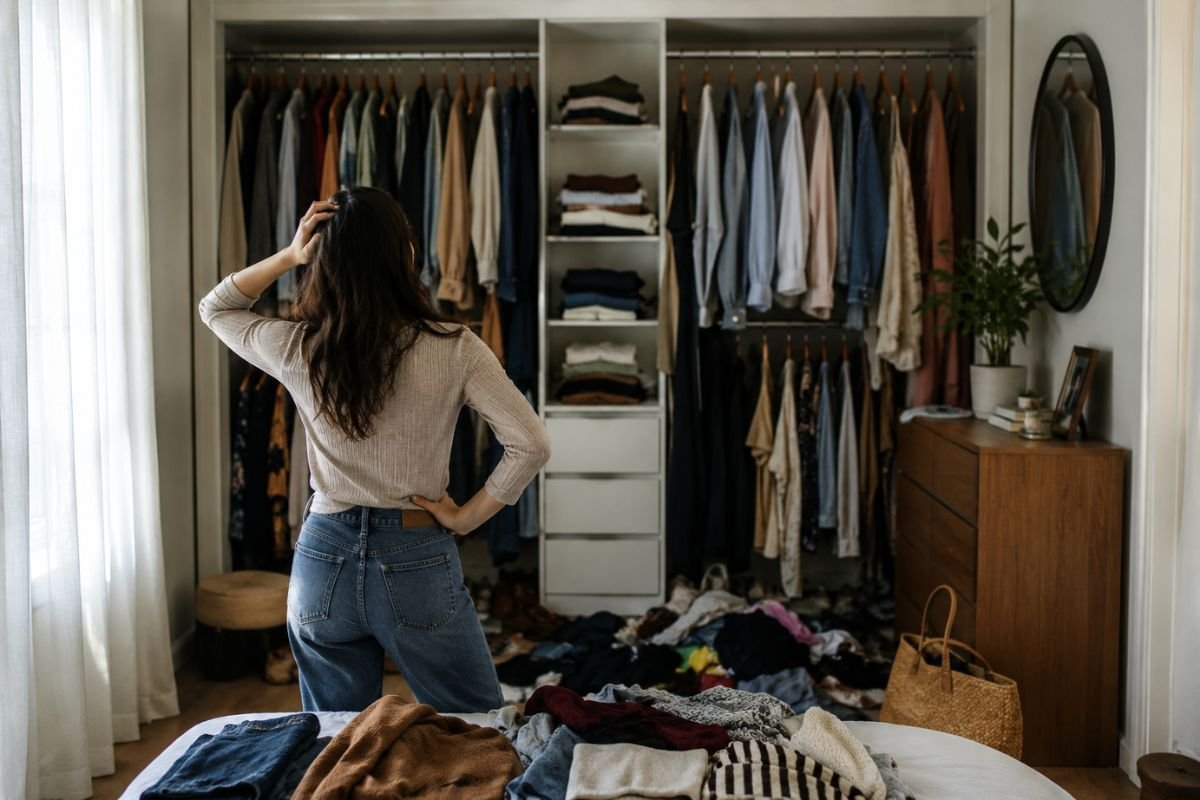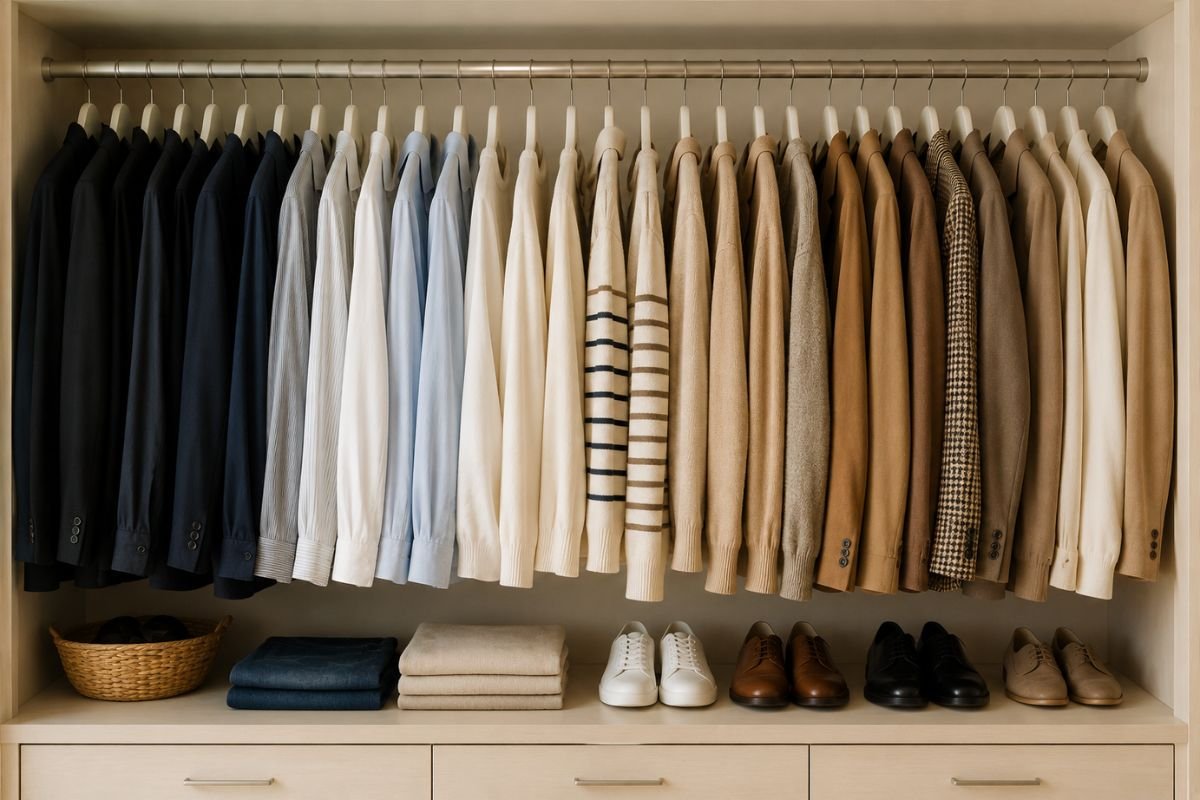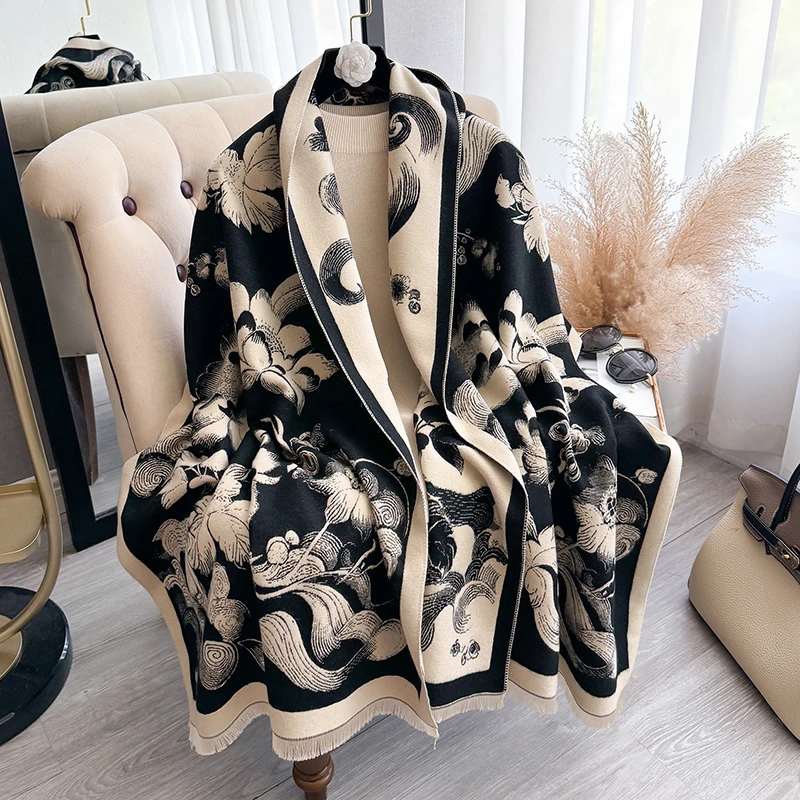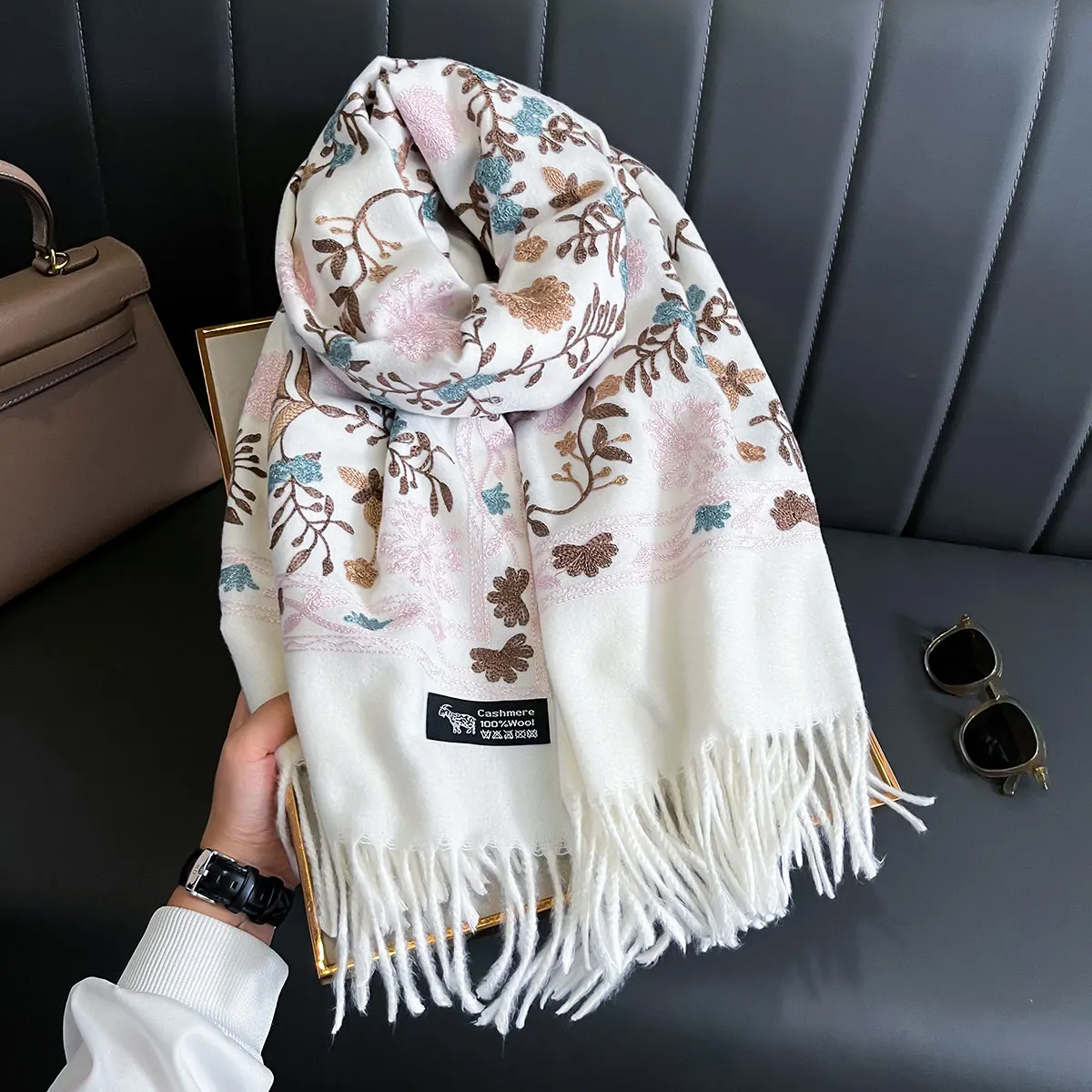

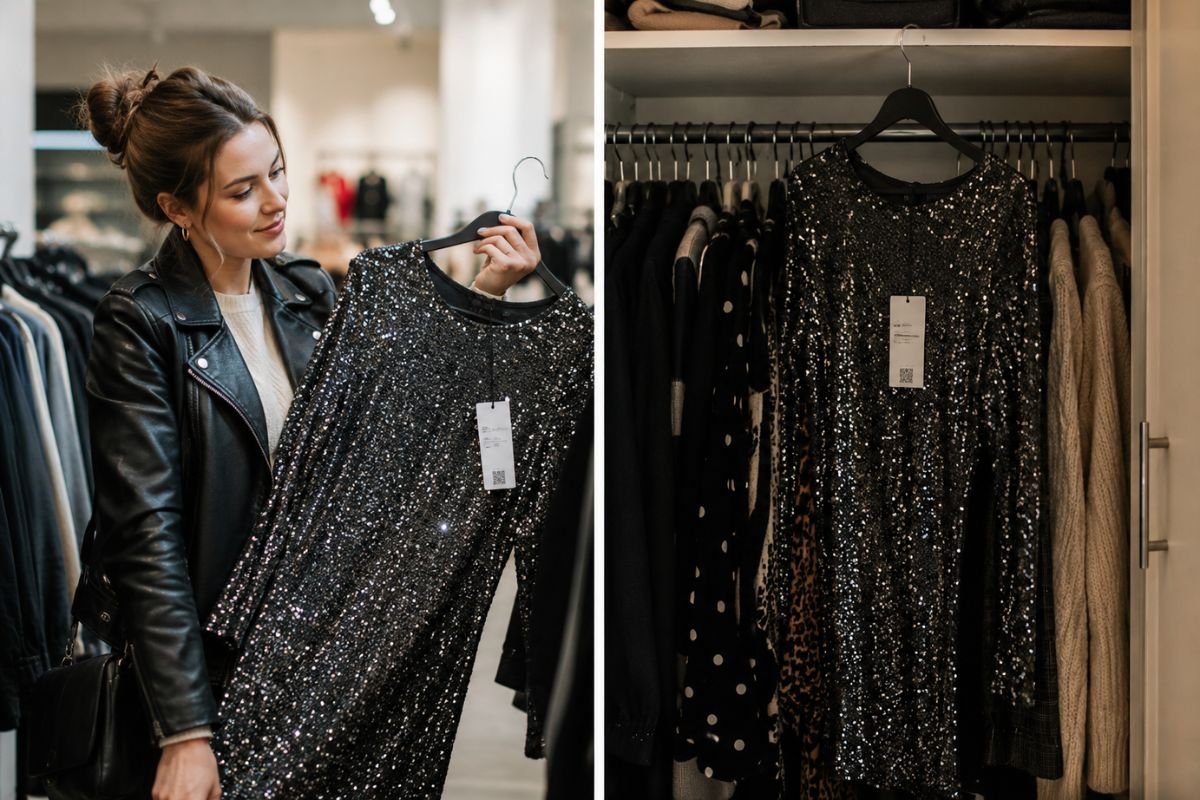
People often assume that if something looks promising in the store, it will turn out to be a must-have item in the future. However, the number of unworn pieces in many wardrobes shows that it is far easier to buy an item that will not be worn later. There is usually nothing wrong with such an item; the main problem is the mismatch between the buying process and the actual use of clothing.
Why Do People Buy Clothes That They Will Never Wear?
Most trendy items are purchased because of emotions. A particular piece may symbolize a certain mood, creativity, confidence, or way of life. People tend to imagine how they will use the product in the future. In this sense, such a purchase represents an investment in a future version of oneself.
However, this assumption often proves unrealistic. The truth is that most people choose clothes automatically. They usually select items that are comfortable, familiar, and compatible with other pieces in their wardrobe. Trendy items often fail to meet these criteria and therefore remain unworn.
Now it becomes easier to understand why people have misconceptions about their clothing choices.
According to the common belief, people buy clothes out of necessity.
In reality, people often buy clothes based on emotions experienced at the moment of purchase.
According to researchers, people do not always behave rationally when shopping. This becomes even more apparent in the case of fashion items. A piece that appears necessary one weekend may look completely different a few weeks later.
An example of this idea can be found in the well-known comments of Barack Obama regarding decision fatigue. He explained that limiting choices helped reduce the mental effort associated with decision-making. The principle is simple: people tend to rely on familiar choices rather than constantly search for something new. Trendy items often remain unworn because they never become part of those familiar choices.
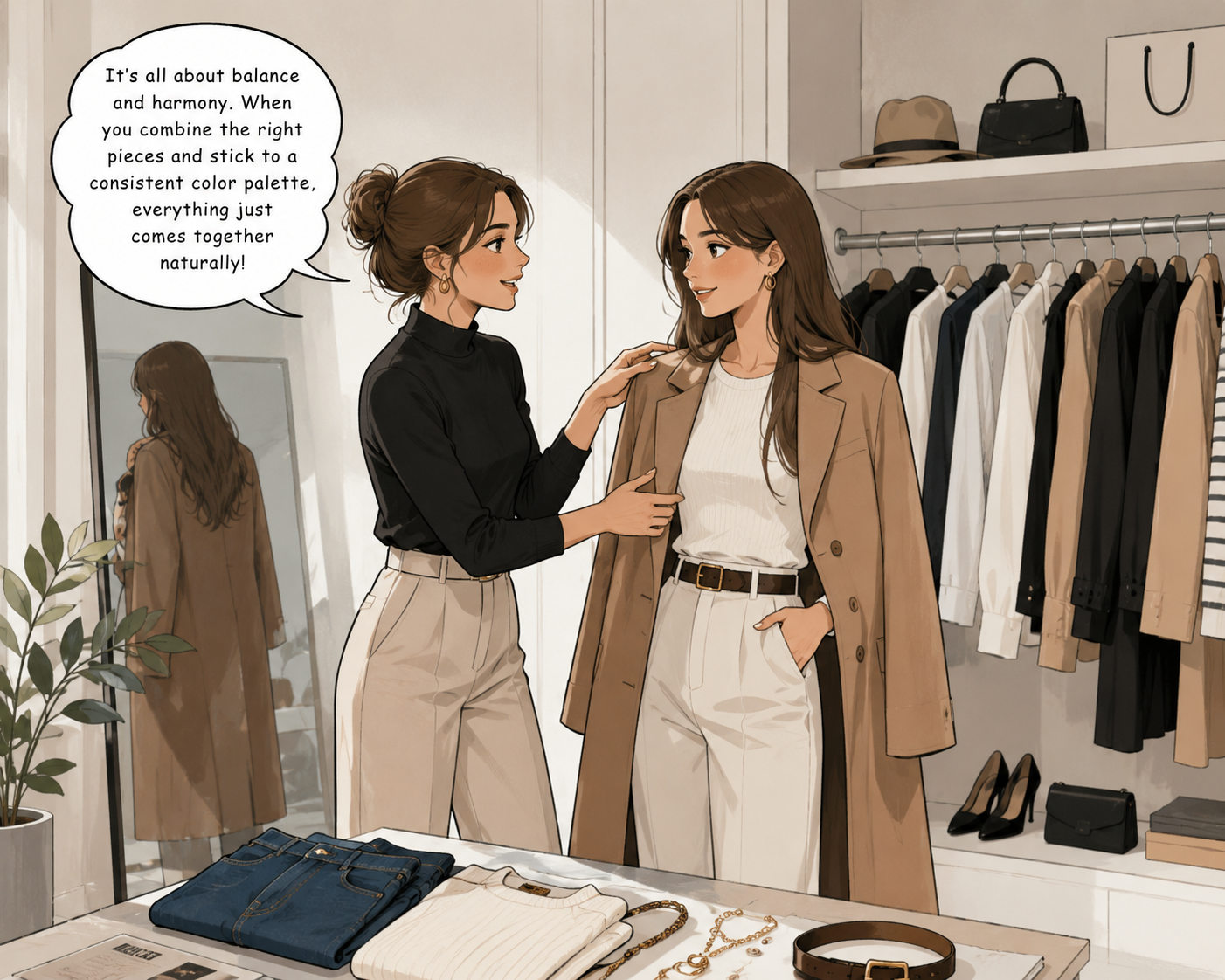
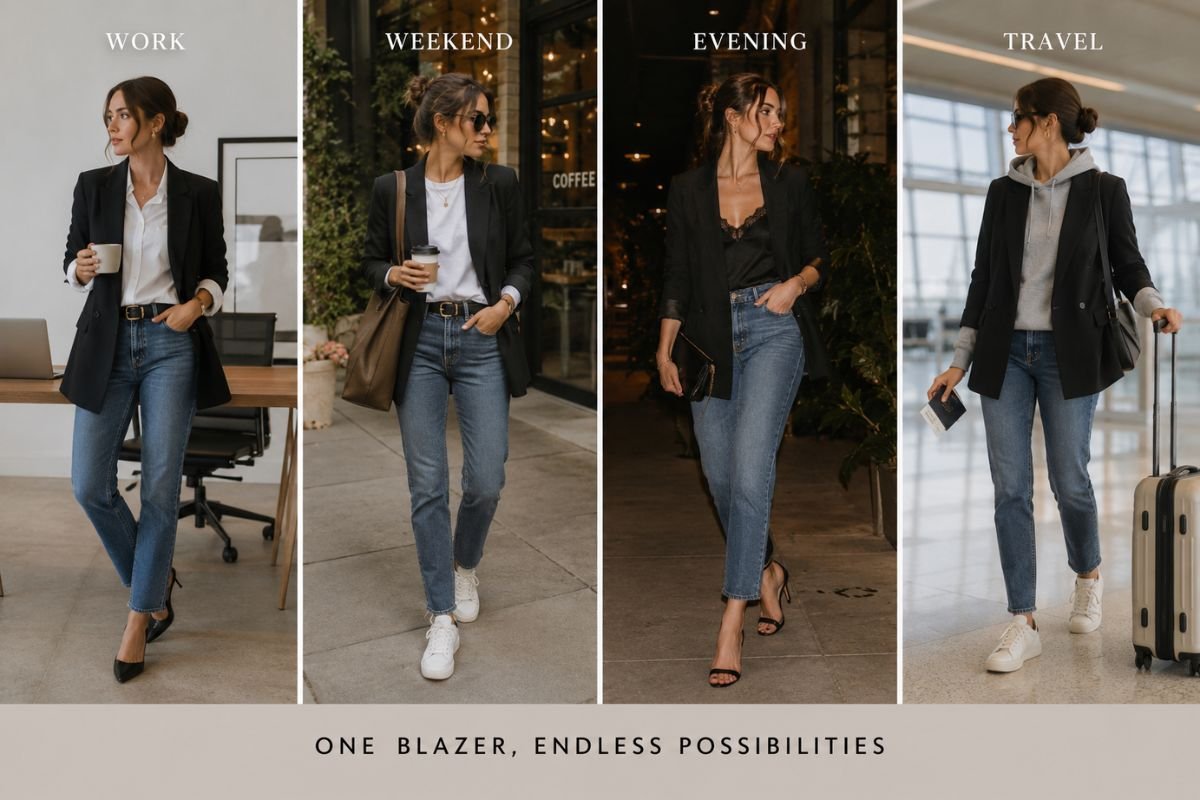
Compatibility can be another reason why certain items remain unused. Most frequently worn clothes work well with other pieces in the wardrobe and therefore become part of everyday dressing. Trendy purchases often lack this advantage.