
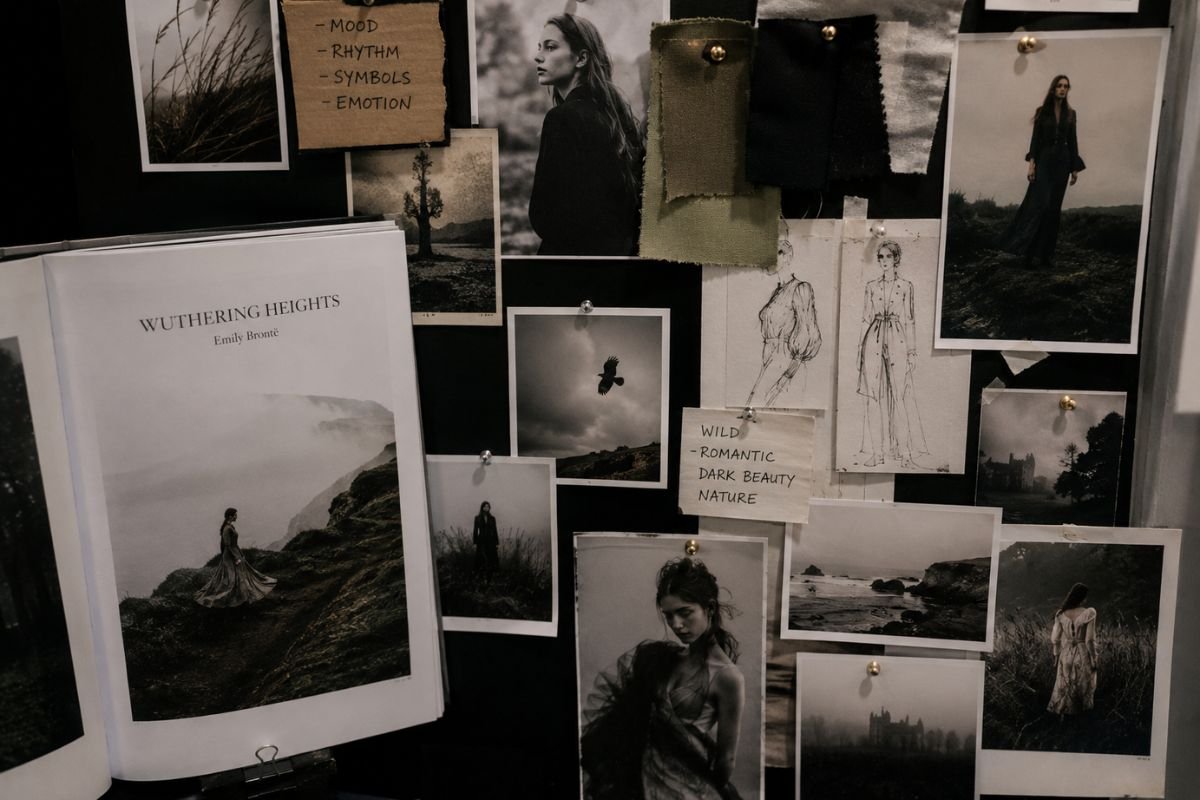
Traditionally, fashion was associated with runway shows, new collections, and the presentation of innovative designs. Today, however, another type of event has become part of fashion’s cultural calendar. In fashion capitals around the world, literary conversations, author talks, exhibitions, and public discussions now appear alongside traditional fashion programming, reflecting the growing role of fashion brands within the broader cultural landscape.
These events are not designed to promote individual books. Instead, they create spaces where fashion meets literature, history, and creative dialogue, placing fashion within a wider cultural context.
Author Talks Bring Fashion Into Intellectual Conversation
One of the most noticeable developments is the growing role of author talks within fashion programming.
Rather than inviting audiences only to discover a new collection, fashion brands increasingly organize events where novelists, essayists, historians, academics, and journalists discuss topics that shape contemporary culture. Conversations often explore literature, identity, memory, gender, creativity, and social change, demonstrating that fashion belongs within the same intellectual space as other creative disciplines.
For visitors, these events provide an opportunity to participate in live discussions rather than simply observe them.
Literary Programs Become Part of the Annual Calendar
Many fashion-related literary programs are no longer one-time events. Instead, they have become recurring parts of annual cultural programming.
One notable example is the Miu Miu Literary Club, launched in 2024 by Miuccia Prada. Rather than focusing solely on reading books, the event brings together writers, academics, performers, and audiences for several days of readings, discussions, performances, and conversations centered on major literary works and contemporary issues. Each edition explores a specific theme while using literature as the starting point for broader discussion.
View this post on Instagram
The continuity of these programs demonstrates that they have become established elements of fashion’s cultural calendar.
Exhibitions Extend the Conversation
Modern fashion exhibitions are increasingly accompanied by lectures, panel discussions, and educational programs.
Rather than presenting garments without context, museums and cultural institutions invite historians, authors, curators, and scholars to explain the historical background of exhibitions while exploring fashion’s relationship with politics, literature, architecture, craftsmanship, and everyday life.
As a result, the exhibition becomes the beginning of a conversation rather than its conclusion.
This approach reflects the growing recognition of fashion as a cultural discipline worthy of deeper exploration.
Cultural Programming Expands Fashion’s Creative Identity
Today, many leading fashion brands invest in long-term cultural programming alongside exhibitions and collections.
Through institutions such as Fondazione Prada, fashion is increasingly connected with lectures, exhibitions, cinema, philosophy, architecture, and interdisciplinary dialogue. This strategy presents fashion as part of a broader creative ecosystem where ideas move freely between different artistic disciplines.
Literary events naturally complement this vision by encouraging discussion, reflection, and cultural exchange.
Why Fashion Literary Events Continue to Grow
The growing popularity of fashion literary events reflects changing audience expectations.
People increasingly seek opportunities to explore fashion not only visually but intellectually. Author talks, public discussions, curated readings, and exhibition programs allow visitors to better understand the cultural influences that shape creativity.
These events also bring people together through shared curiosity rather than commercial interests alone. Audiences attend not only to discover something new but also to continue conversations and develop ideas from one gathering to the next.
As a result, fashion literary events demonstrate how fashion continues expanding beyond the runway and becoming an increasingly important part of contemporary cultural life.